

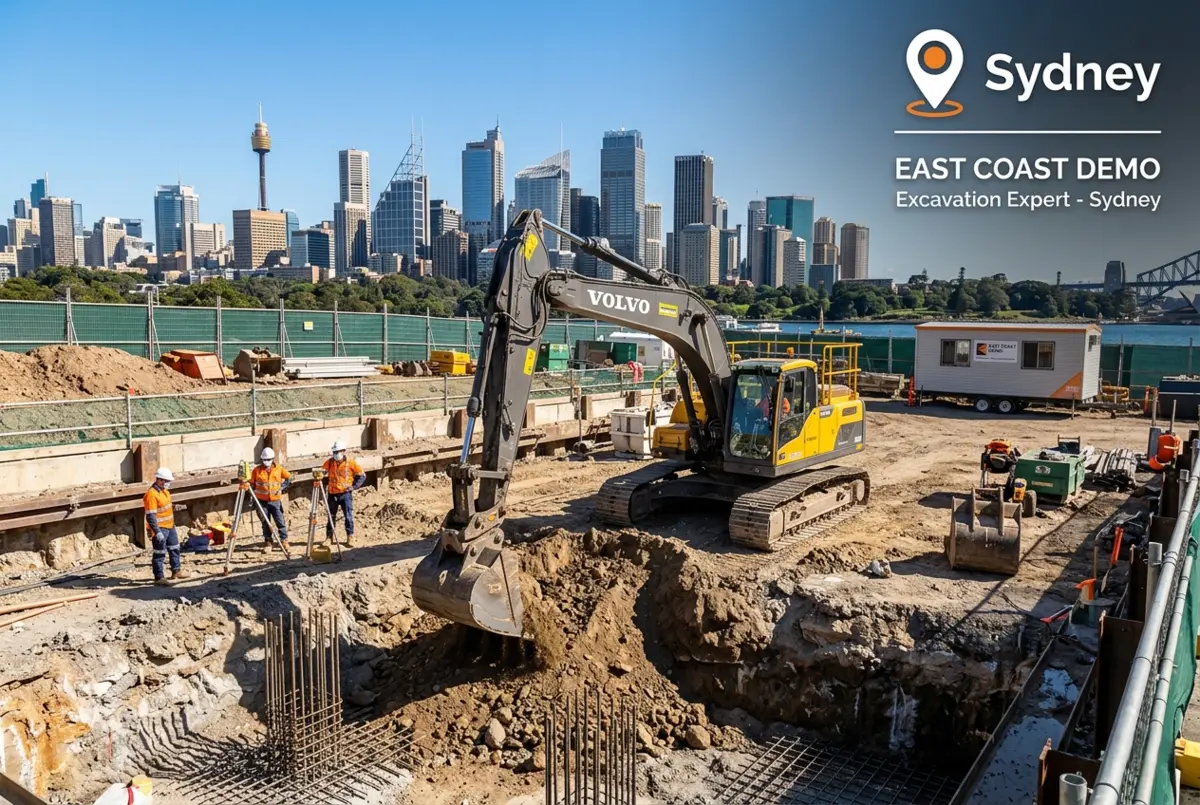
The first scoop of soil always tells a story. Not the polished, brochure-style version, but the real one, messy, unpredictable, and a bit humbling. Excavation sits right at that moment where plans meet reality. Drawings might promise clean lines and perfect levels, but Sydney ground has its own personality, and it rarely sticks to the script.
A quiet block in the Inner West can hide layers of fill from decades ago, sometimes requiring professional stripout services to clear the way for deeper work. A coastal site might look soft and easy, then suddenly start collapsing at the edges. That’s the thing about excavation: it exposes what’s been sitting underneath for years, sometimes decades.
There’s a rhythm to this work that doesn’t get talked about much. Machines move, operators adjust, and plans evolve slightly every hour. Some jobs glide through because the groundwork was respected early. Others drag on because someone assumed digging was just digging. That assumption usually ends up being the most expensive part of the entire build.
 Sydney ground conditions that shift project timelines
Sydney doesn’t offer one type of soil; it offers a patchwork. Sand near the coast, clay further inland, and sandstone sitting stubbornly underneath it all. Each one changes how Excavation behaves, and ignoring that difference tends to stretch timelines in ways that catch people off guard.
Sandy ground feels easy at first. Buckets move quickly, progress looks smooth, and there’s a sense of momentum. Then the edges start slipping. Without proper support, trenches don’t hold shape for long. That leads to rework, and rework during Excavation always feels like déjà vu: the same task, double the cost.
Clay, on the other hand, slows everything down. It sticks to machinery, holds water, and shifts depending on the weather. A dry week might make things manageable, but a bit of rain turns the site heavy and unpredictable. That constant adjustment is where experienced excavation contractors Sydney stand out; they read the ground rather than fight it.
Early planning gaps that increase excavation costs
Most budget problems don’t explode; they leak. Small planning gaps during early stages quietly stack up until the numbers don’t make sense anymore. One of the biggest culprits is skipping detailed site checks. It saves time upfront, but the unknowns tend to show up later with a price tag.
Moving dirt away is one of those things people always underestimate; it doesn’t just disappear. In the cramped streets of Sydney, getting that waste out, including hazardous materials requiring asbestos removal services, is a significant logistical challenge. Trucks get stuck in traffic, access gets tight, and suddenly the excavation services Sydney drag on much longer than planned, sending your budget north without warning.
There’s also the temptation to chase the lowest quote. It looks smart at first glance. But often, those numbers are built on ideal conditions. Once reality begins and those conditions shift, variations follow. The final bill rarely matches the initial handshake.
Common Excavation Equipment
| Equipment Type | Purpose |
| Excavators | Digging and trenching |
| Bulldozers | Moving large soil volumes |
| Backhoes | Smaller, versatile digging |
| Dump trucks | Soil transport |
| Compactors | Soil stabilisation |
Choosing excavation contractors in Sydney wisely
Selecting the right crew isn’t about flashy equipment or polished branding. It’s about how a team behaves when things don’t go to plan; having reliable excavation and site preparation solutions ensures that when something always shifts soil, water, or time, experience becomes visible.
Good contractors in Sydney tend to ask more questions upfront. Access points, drainage concerns, and nearby structures’ details that might seem minor shape the entire approach. Teams that skip those questions usually rely on standard methods, and standard methods don’t always fit Sydney sites.
There’s also a quieter sign of competence: pacing. Rushed work during it often leads to uneven cuts or over digging. Slower, controlled progress might feel frustrating in the moment, but it avoids corrections later. And corrections, especially underground, are never cheap.
Excavation workflow from site prep to final trim
Every job follows a sequence, though it rarely feels linear on-site. The first stage clears the surface vegetation, debris, and anything in the way. Simple enough, until hidden structures appear. Old concrete and forgotten pipes are common surprises during excavations in Sydney.
Bulk removal comes next, and this phase is where the pace picks up as operators work within the Planning Portal excavation guidelines. Machines move constantly, and there’s pressure to keep that momentum going. But pushing too hard often leads to overcutting. That means extra fill later, which adds both time and cost to the project.
The final trim stage doesn’t get much attention, yet it’s critical. Levels need to be precise. Small inconsistencies during excavation don’t disappear; they carry forward. Fixing them later is far more complicated than getting them right at this stage.
Equipment selection impacts efficiency on-site.
The gear you choose can make or break a job. While massive machines are great for bulk excavation in Sydney, they’re a nightmare in narrow suburban driveways. Using a machine that’s too big for the space actually slows things down more than it helps.
Smaller machines bring flexibility. They can fit into tight spots and keep the mess down, but they take a bit longer to shift the dirt. You have to balance the machine size with the speed of the job, which is a huge part of detailed excavation in Sydney where being precise is way more important than being fast.
Breakdowns are part of reality. Equipment works hard during Excavation, and failures happen. Crews that plan for maintenance or backup options recover quickly. Others lose time waiting, and that waiting tends to ripple through the entire schedule.
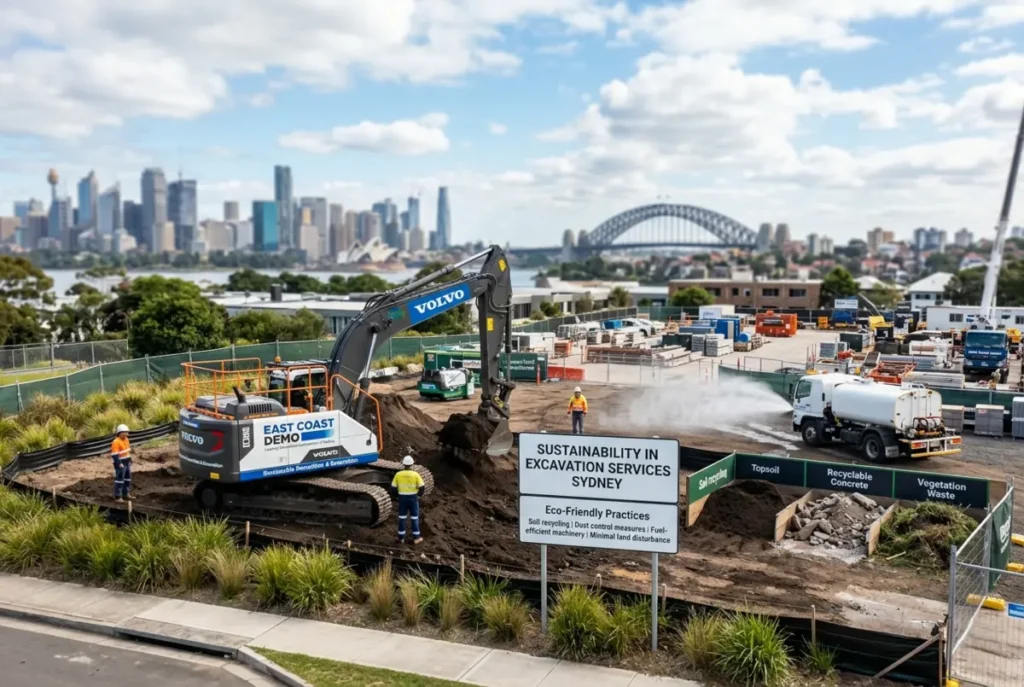
Sustainability in Excavation Services Sydney
Modern projects aim to reduce environmental impact.
Eco-Friendly Practices
- Soil recycling
- Dust control measures
- Fuel-efficient machinery
- Minimal land disturbance
Sustainable excavation services Sydney are becoming the new standard.
Safety practices that actually hold under pressure
Safety often gets reduced to checklists, but real conditions don’t always match those lists. Trenches might look stable until moisture shifts the soil. During Excavation, that shift can happen quickly, turning a routine task into a serious risk.
Proper support systems take time to install. It might feel like things are dragging, especially when you’re on a tight deadline. But if you skip those steps, you’re just asking for bigger headaches later. Real safe excavation services look at safety as part of the work, not just an extra chore.
Pressure is always there, and deadlines can push a crew to move faster than the ground actually allows. The best teams know when to adjust their pace based on the soil conditions instead of just sticking to a calendar. Finding that balance is what keeps the crew safe and the project on track.
Regulations shaping excavation in Sydney projects
Projects around town have to follow a pretty set framework. Everything from your permits to environmental laws and safety codes changes how the excavation actually happens. Ignoring them isn’t just risky; it can stop a project entirely.
Getting approval usually means having a solid plan for soil and waste disposal. A reliable excavation service in Sydney handles the red tape properly so you don’t get stuck in limbo. Cutting corners on the paperwork almost always bites you back once the inspectors show up.
For the actual rules, the NSW Planning Portal is your best bet for staying on the right side of the law. Following these guidelines keeps things moving smoothly and stops expensive delays while you’re clearing the site.
Cost factors behind bulk and detailed excavation work
Pricing rarely stays fixed once digging begins. Soil type, access, and weather all influence the final number. Doing bulk excavation Sydney might look simple enough, but moving huge amounts of dirt brings up logistical hurdles that can quietly drive up your bill.
Detailed services in Sydney are a whole different beast. Precision isn’t fast, and that extra time means higher labour costs. All those small tweaks and the careful trimming might look slow, but they take a ton of focus and patience to get exactly right.
Then there’s rock. It changes everything. If you hit something unexpected during Excavation, work slows down, and the costs start climbing. The gear has to work harder, the removal takes twice as long, and getting rid of the waste adds another expense.
Industrial excavation and demolition work insights
Big sites are a different beast entirely. Doing industrial excavation means handling massive volumes and tight deadlines while keeping all the different teams coordinated. One delay can affect multiple trades, making timing critical.
Doing demolition excavation in Sydney adds a lot of extra risk. Pulling down old buildings before you start digging isn’t like working on a clean site; you’ve got to watch out for hidden nasties and shifting structures that need a very careful hand.
You’ve really got to balance speed with control. Tearing things down fast might clear the space, but it often leaves the ground a mess. Taking it slow and steady takes more time, but it makes the groundwork phase so much easier later on.
Conclusion
Every great building starts with the work no one sees, a solid foundation underground. Getting the land ready isn’t the most exciting part of a build, but it’s what sets your timeline and your final bill, plus it determines if the house stays stable for the next twenty years.
Rushing excavation often leads to costly setbacks and structural issues later. Working with experienced contractors in Sydney, contact us today to ensure precise execution and informed decisions. A well-managed start keeps your project on track, efficient, and built to last from the ground up.
Frequently Asked Questions
1. What is site preparation, and why is it important?
Earthmoving is essentially just shifting dirt and rock to get the site ready for the build. It is how you get a stable foundation and proper drainage so the house stays in one piece. If the dig isn’t right, buildings can shift or start cracking, which is a real risk with the tricky soil we have for excavation in Sydney.
2. How long does site preparation take in Sydney?
How long a project takes really depends on the scale, the soil, and the weather. A small backyard job might only take a few days, but bigger excavation services sydney can drag on for weeks. Good planning and easy site access make a massive difference in how fast things move.
3. Are permits required for digging projects in Sydney?
Yes, most digging projects need a permit. Local councils are pretty strict about safety and the environment. Teaming up with licensed earthmoving contractors in Sydney is the easiest way to get your approvals through without a headache.
4. What are safe digging services?
Using safe services is all about stopping accidents before they happen. It means planning ahead, checking the machines, and following Australian safety rules. These steps protect the workers, your property, and those pipes hidden underground.
5. How much does site preparation cost in Sydney?
The price tag depends on how big the job is, what the ground is like, and what machines we need. A small project might only be a few thousand, but large-scale earthworks can easily run into the tens of thousands. A detailed quote is the only way to get a real number.
6. What is the difference between bulk and detailed work?
Bulk excavation Sydney is about shifting massive amounts of dirt fast, usually for big projects. On the other hand, detailed excavation sydney is more about precision, like when you are digging trenches and footings. Both are vital, but they happen at different points in the build.