

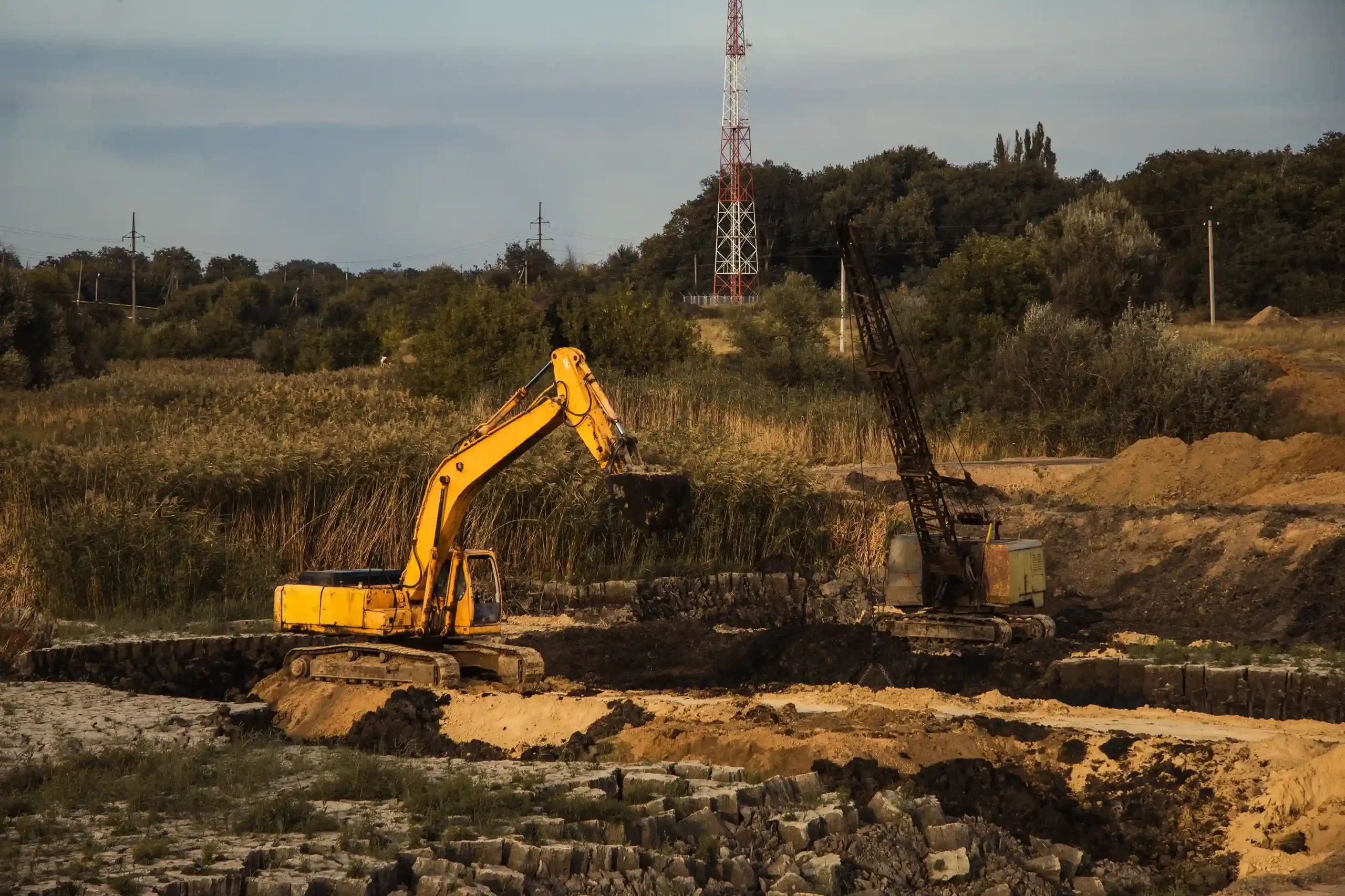
Embarking on a knockdown-rebuild project is an exciting milestone for any homeowner, but the first step—the actual Residential Demolition Sydney—requires meticulous planning and professional execution. Whether you are clearing an old weatherboard cottage in the Inner West or a brick veneer home in the Northern Beaches, understanding the regulatory landscape, safety protocols, and cost variables is essential. Sydney’s unique geography and strict local council regulations mean that no two demolition projects are exactly alike, making it vital to partner with experts who understand the local terrain.
While this guide focuses on home-based projects, many property developers also require larger-scale solutions for business premises. If your project extends beyond the home, you may want to explore our comprehensive Commercial Demolition Sydney guide to see how industrial and retail site clearances differ from residential ones. Balancing these two types of projects requires a deep understanding of Sydney’s specific waste management and safety requirements.
Understanding the Process of Residential Demolition Sydney
The process of tearing down a house is far more complex than simply bringing in a wrecking ball. In a dense urban environment like Sydney, demolition is a surgical procedure designed to protect neighbouring properties, public infrastructure, and the environment.
Phase 1: Planning and Approvals
Before a single brick is moved, you must secure the legal right to demolish. In New South Wales, this usually involves one of two pathways: a Development Application (DA) or a Complying Development Certificate (CDC).
Development Application (DA)
A DA is submitted to your local council. This is often required if your property is in a heritage conservation area or if the demolition is part of a complex rebuild. The council will assess the impact on the streetscape and local environment.
Complying Development Certificate (CDC)
A CDC is a faster alternative for straightforward projects that meet specific state-wide criteria. A private certifier can often approve a CDC much quicker than the council can process a DA, provided the project adheres to the “State Environmental Planning Policy.”
Phase 2: Utility Disconnections
A critical step in Residential Demolition Sydney is the “capping off” of services. You cannot demolish a structure while it is still connected to the grid. This includes:
- Electricity: Requesting a “meter pull” and service disconnection from your provider.
- Gas: Ensuring the line is capped at the street main.
- Water and Sewer: Moving or protecting the water meter and sealing sewer points.
- Telecommunications: Removing NBN or phone lines.
Key Factors Influencing the Cost of Demolition
Sydney is known for its challenging terrain and high property density, both of which play a significant role in determining your final invoice. It is important to budget for more than just the labour and machinery.
Site Access and Location
A flat, wide-access block in Western Sydney will generally be cheaper to demolish than a steep, narrow-access site in the Eastern Suburbs. If the demolition machinery cannot easily enter the site, or if debris needs to be moved via smaller, more frequent truckloads, the labour costs will rise.
Material Composition
The materials your home is built from dictate the disposal fees. Double-brick homes are heavier and require more effort to dismantle compared to timber-frame houses. However, materials like concrete and steel can often be recycled, which may offset some costs.
Table: Estimated Cost Breakdown for Residential Demolition Sydney
| Project Component | Estimated Cost (AUD) |
Primary Cost Driver |
| Standard 3-Bedroom House | $20,000 – $35,000 | Site access and size |
| Asbestos Removal | $3,000 – $10,000+ | Amount and type of asbestos |
| Council Permits & Fees | $1,500 – $5,000 | Local LGA requirements |
| Site Security (Fencing) | $500 – $1,200 | Length of project duration |
| Waste Disposal Levies | $5,000 – $12,000 | NSW EPA Waste Levy rates |
Hazardous Materials and Asbestos Management
Safety is the paramount concern in any Residential Demolition Sydney project. Because a significant portion of Sydney’s housing stock was built before 1990, the presence of asbestos is highly likely.
Identifying Asbestos
Asbestos can be found in many areas of an older home, including:
- Fibro siding and roofing.
- Vinyl floor tiles and backing.
- Insulation around pipes and in ceilings.
- Eaves and soffits.
Professional Abatement
It is illegal and extremely dangerous to remove more than 10 square meters of non-friable asbestos without a license in NSW. Professional demolition teams will bring in licensed asbestos removalists to seal the area, use specialized vacuums, and transport the waste to a facility specifically licensed to handle hazardous materials. This ensures that no microscopic fibers are released into the neighbourhood.
Environmental Responsibility and Waste Management
Modern demolition is focused on “deconstruction” rather than total destruction. The goal is to divert as much material as possible away from landfills. This is not only better for the environment but also more cost-effective for the homeowner due to the high NSW Waste Levy which applies to all disposal in the Sydney metropolitan area.
Recycling Concrete and Brick
Concrete, bricks, and roof tiles are often crushed and repurposed as road base or aggregate. This “circular economy” approach is a staple of professional Residential Demolition Sydney services. When these materials are separated on-site, the disposal fees are significantly lower than for “mixed waste.”
Salvaging Timber and Metals
High-quality hardwoods found in older Sydney homes are often in high demand for architectural recycling. Similarly, metals like copper (from piping) and aluminium (from window frames) have significant scrap value. A reputable contractor will credit these values back to the client or use them to lower the overall quote.
The Importance of Site Preparation and Protection
Before the heavy machinery arrives, the site must be prepared to ensure the safety of workers and the public. This involves more than just putting up a fence; it’s about mitigating the impact of the work on the surrounding Sydney community.
Neighbouring Property Protection
In suburbs like Paddington or Balmain, houses are often separated by mere centimetres. Demolition contractors must use “shoring” or physical barriers to ensure that the vibration and movement of the demolition do not cause structural damage to the neighbour’s walls or foundations.
Dust and Noise Control
Sydney residents are sensitive to construction noise and dust. To remain compliant with local regulations, contractors use:
- Water Sprayers: Continuous misting to keep dust particles on the ground.
- Acoustic Barriers: Temporary walls to dampen the sound of machinery.
- Work Hour Restrictions: Strict adherence to council-mandated times (usually 7 am – 5 pm on weekdays).
Choosing the Right Contractor for Residential Demolition Sydney
Selecting a contractor should not be based solely on the lowest price. Given the risks involved—both financial and physical—you need a team with a proven track record in the Sydney market.
Licensing and Insurance
Every contractor must hold a valid NSW Demolition License. Furthermore, they must have Public Liability Insurance and Workers’ Compensation. If an uninsured worker is injured on your property, or if a neighbour’s house is damaged, you could be held liable for millions of dollars in damages.
Reputation and Reviews
Check for local experience. A contractor who has worked extensively in your specific Sydney LGA (Local Government Area) will already be familiar with the local council’s inspectors and specific waste management rules. This local knowledge can prevent costly delays in the final sign-off.
Detailed Written Quotes
A professional quote for Residential Demolition Sydney should be transparent. It should clearly state what is included (e.g., asbestos removal, tree removal, site levelling) and what is not (e.g., council fees, unexpected underground rock removal).
Step-by-Step Timeline of a Typical Demolition
- Site Inspection: The contractor visits the site to identify access issues and hazardous materials.
- Permit Acquisition: Applying for DA or CDC and paying necessary bonds to the council.
- Service Disconnection: Ensuring electricity, gas, and water are safely cut off.
- Hazmat Removal: Safe extraction of asbestos and other toxins.
- Soft Strip: Removing internal fixtures, doors, and windows manually.
- Structural Demolition: Using excavators to bring down the main structure.
- Waste Sorting and Removal: Loading trucks with separated materials for recycling.
- Site Clearing: Removing the slab and footings (if required).
- Final Sign-off: The certifier inspects the site and issues a clearance certificate.
Challenges Unique to Sydney Demolition Projects
Sydney’s geography presents several unique challenges that homeowners should be aware of.
Rock and Subsurface Conditions
Much of Sydney sits on a bed of Hawkesbury Sandstone. If your new build requires a basement or deeper footings, the demolition phase might involve significant rock hammering. This is noisy, time-consuming, and can add several thousand dollars to your budget.
Heritage Overlays
Many suburbs have strict heritage conservation rules. You may find that you are only allowed to demolish the rear of the house while the “façade” must be preserved and braced. This requires specialized “selective demolition” skills rather than standard total demolition.
Frequently Asked Questions
Do I need a permit for Residential Demolition Sydney?
Yes, you almost always need a permit. This is typically obtained through a Development Application (DA) with your local council or a Complying Development Certificate (CDC) through a private certifier. Demolishing without a permit can lead to massive fines and legal complications for your future build.
How long does a house demolition take in Sydney?
The physical demolition usually takes between 3 to 7 days. However, the entire process—including asbestos removal, service disconnections, and final site clearing—can take 2 to 4 weeks. This does not include the time taken for council approvals, which can take several months.
Can I keep the materials from my demolished home?
Absolutely. If you wish to salvage specific items like vintage bricks, timber beams, or ornate doors, you should notify your contractor before the quote is finalized. Salvaging items manually takes more time and may slightly increase the labour cost, but it is a great way to preserve history.
Is asbestos removal included in a standard Residential Demolition Sydney quote?
Most contractors will list asbestos removal as a separate line item. A “standard” quote usually assumes no hazardous materials are present unless a prior inspection has been done. If asbestos is found during the demolition, it will result in a “variation” or an additional charge to the contract.
What happens to the concrete slab?
In most cases, the concrete slab and the underground footings are removed and taken to a recycling center where they are crushed. However, if your new builder plans to reuse parts of the foundation, you must specify this so the demolition team can work around it carefully.
How do I notify my neighbours about the demolition?
Most Sydney councils require you to notify neighbours in writing at least 7 to 14 days before work begins. This is not just a courtesy; it is often a legal requirement of your DA or CDC. Your contractor can usually handle this notification process for you.
Conclusion
Navigating a Residential Demolition Sydney project is a major undertaking that sets the foundation for your future home. By understanding the costs, from the NSW waste levy to the complexities of asbestos management, you can ensure your project remains on track and within budget. Remember that the cheapest quote is rarely the best when it comes to high-risk activities like structural demolition. Investing in a licensed, insured, and experienced professional team will protect your property, your neighbours, and your peace of mind as you clear the way for your new dream home.
Ready to start your journey toward a new home? Our team specializes in safe, efficient, and council-compliant Residential Demolition Sydney services. We handle everything from the initial site inspection to the final clearance certificate, ensuring your site is perfectly prepared for your builder. Contact us today to get a quote today and speak with one of our local demolition experts about your upcoming project.