

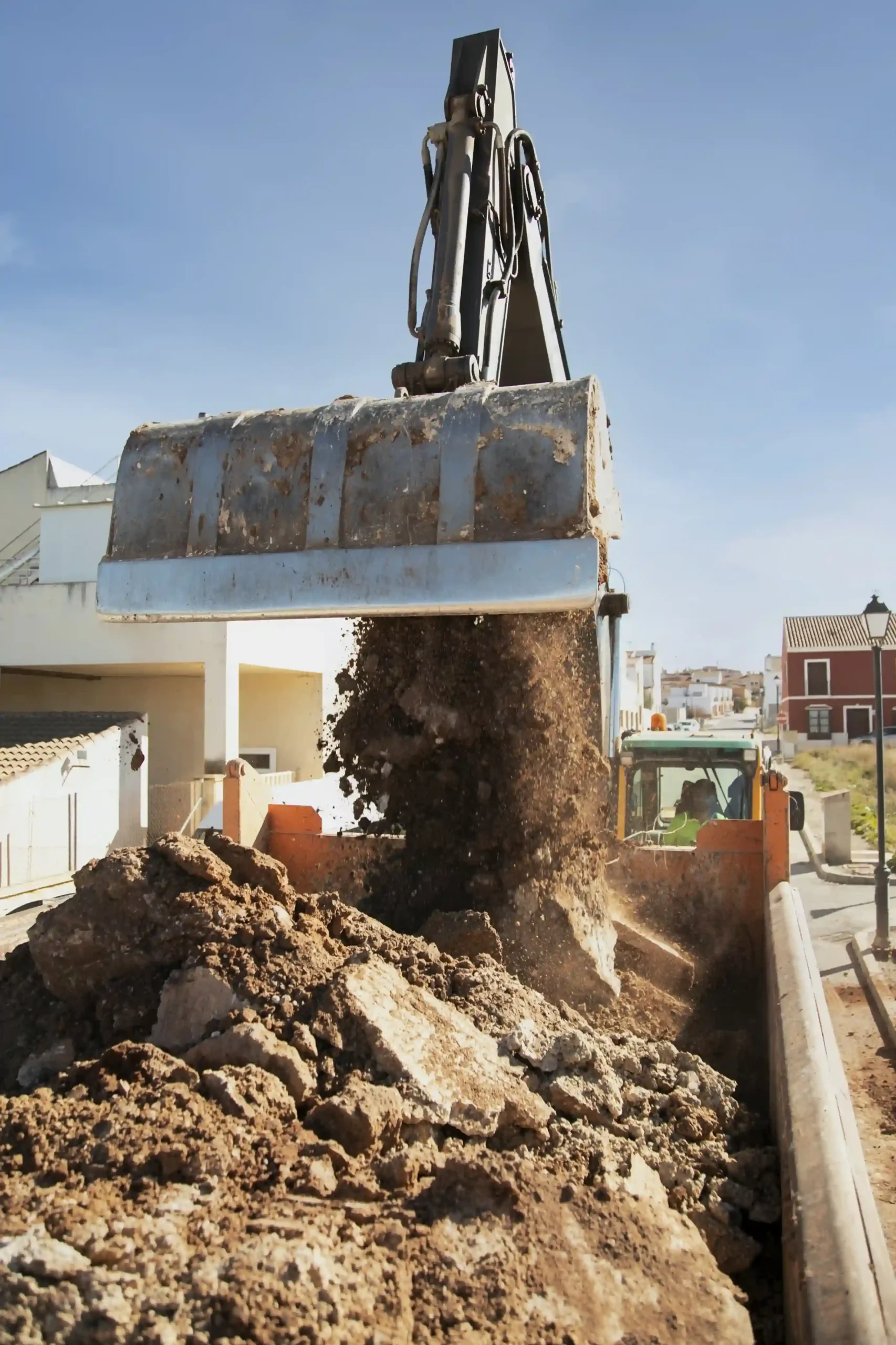
Embarking on a large-scale redevelopment project requires a solid foundation, often starting with the complete removal of existing structures, and when it comes to Commercial Demolition Sydney, the complexity of the urban environment and strict regulations demand exceptional precision and expertise. Whether you’re clearing an old office block in the CBD or a warehouse in Western Sydney, understanding the industry’s nuances is essential for a smooth project. This comprehensive overview, supported by insights from Demolition Contractor Sydney , ensures your redevelopment stays on schedule, within budget, and fully compliant with all local safety standards.
Understanding the Landscape of Commercial Demolition Sydney
The demolition industry in New South Wales is governed by strict codes of practice. For any Commercial Demolition Sydney project, navigating these laws is the first step toward a successful build.
The Importance of Hiring Licensed Professionals
Commercial structures are far more complex than residential ones. They often involve reinforced concrete, steel frameworks, and hazardous materials.
- Safety First: Licensed contractors ensure that the structural integrity of neighboring buildings is protected.
- Equipment: Heavy-duty machinery like high-reach excavators is often necessary.
- Insurance: Professional Commercial Demolition Sydney firms carry comprehensive liability insurance.
Types of Commercial Structures Handled
Sydney’s skyline is a mix of heritage and modern architecture. Demolition experts must be versatile.
- Office Buildings: Requiring careful “strip-outs” or total mechanical demolition.
- Industrial Warehouses: Often involving large-scale steel recovery and concrete crushing.
- Retail Strips: Demanding minimal disruption to active foot traffic and neighboring businesses.
The Step-by-Step Process of Commercial Demolition Sydney
A structured approach is what separates a chaotic site from a professional one. Here is how a standard Commercial Demolition Sydney project unfolds.
Phase 1: Site Inspection and Audit
Before a single brick is moved, a thorough audit is conducted.
Hazardous Material Identification
In older Sydney buildings, asbestos and lead paint are common. A specialized audit is mandatory under NSW WorkHealth and Safety (WHS) regulations.
Structural Integrity Assessment
Engineers evaluate how the building will react to different demolition methods (top-down vs. high-reach) to prevent unplanned collapses.
Phase 2: Permitting and DA Approval
You cannot start Commercial Demolition Sydney without the green light from the local council or a private certifier.
Complying Development Certificates (CDC)
In some cases, if the project meets specific criteria, a CDC can fast-track the approval process compared to a standard Development Application (DA).
Traffic Management Plans
Sydney’s narrow streets require a detailed plan to manage the movement of heavy machinery and debris trucks without paralyzing local traffic.
Phase 3: The Strip-Out and Salvage
Sustainability is a huge part of Commercial Demolition Sydney today.
- Internal Strip-out: Removing furniture, wiring, plumbing, and non-structural walls.
- Asset Recovery: Identifying materials like copper, timber, and steel that can be sold or recycled.
Safety Standards and Environmental Responsibility
Sydney is moving toward a circular economy, and the demolition sector is leading the charge in waste reduction.
Managing Environmental Impact
Commercial Demolition Sydney isn’t just about knocking things down; it’s about doing it cleanly.
Dust and Noise Mitigation
Hoarding, water misters, and acoustic barriers are used to keep the community happy and healthy during the process.
Waste Diversion Goals
Top-tier contractors aim to recycle up to 90% of demolition waste, diverting concrete and metal from NSW landfills.
Modern Demolition Techniques
Technology has changed how Commercial Demolition Sydney is performed.
- Robotic Demolition: Used in tight spaces or high-risk areas where human presence is dangerous.
- Implosion: Rarely used in the dense Sydney CBD but remains an option for isolated tall structures.
- High-Reach Excavation: The preferred method for most mid-rise Sydney buildings.
Factors Influencing the Cost of Commercial Demolition Sydney
Budgeting is the most critical part of project planning. Several variables dictate the final invoice.
Building Size and Material Composition
A concrete bunker costs significantly more to demolish than a timber-framed warehouse due to the labour and machinery required.
Site Accessibility
Site accessibility plays a major role in determining project costs, as a demolition job in a narrow Surry Hills laneway will naturally involve higher logistical expenses compared to a spacious industrial site in Parramatta. Commercial Demolition Sydney pricing is significantly impacted by how easily trucks and machinery can enter and exit the location, and for additional insights on managing site logistics, resources like Construct Connect offer valuable guidance.
Presence of Asbestos
If asbestos is found, specialized teams must be brought in to seal the site, remove the material in hazmat gear, and dispose of it at licensed facilities, which adds a premium to the total cost.
Choosing the Right Partner for Commercial Demolition Sydney
Selecting a contractor is about more than just the lowest bid; it’s about reliability and track record.
Key Questions to Ask Your Contractor
- Do you have a valid NSW Demolition License (DE1 or DE2)?
- What is your plan for waste management and recycling?
- How do you handle unforeseen structural issues mid-project?
Reviewing Past Projects in Sydney
Look for a company that has handled Commercial Demolition Sydney projects similar in scale to yours. Local experience means they already have relationships with Sydney councils and utility providers.
Advanced Logistics in Commercial Demolition Sydney
Managing a site in a bustling metropolitan area requires more than just heavy machinery; it requires a sophisticated logistical strategy.
Coordination with Sydney Authorities
A successful Commercial Demolition Sydney project involves constant communication with Transport for NSW and local city councils. This ensures that road closures or heavy vehicle movements do not clash with major city events or peak transit hours.
Utility Disconnection and Capping
Before any structural work begins, all essential services must be safely disconnected.
Sewer and Water Management
Licensed plumbers must cap off water lines to prevent flooding during the demolition of foundational slabs.
Electrical Grid Isolation
Level 2 electricians are often required to disconnect the building from the Sydney power grid to ensure the site is “electrically cold” for worker safety.
Specialized Equipment Used in Urban Demolition
The tools used for Commercial Demolition Sydney are specifically chosen to handle high-density environments where space is at a premium.
High-Reach Excavators
These machines allow operators to dismantle multi-story buildings from the ground level, significantly reducing the risk of falls for laborers.
Crushing and Screening On-Site
To reduce the number of truck movements through Sydney’s congested streets, many contractors use mobile crushers.
Concrete Pulverisers
These attachments break down large reinforced concrete blocks into manageable rubble, separating the internal steel rebar for easier recycling.
Heritage Preservation and Partial Demolition
Not every Commercial Demolition Sydney job involves leveling the entire site; many projects require the surgical removal of modern additions while protecting historic facades.
Facade Retention Systems
In many parts of Sydney, the exterior of a building is protected by heritage orders. Engineers design complex steel bracing systems to hold the “skin” of the building in place while the interior is completely removed.
Vibration Monitoring
To protect neighboring historic structures, sensors are placed around the Commercial Demolition Sydney site. These sensors alert the crew if vibrations from heavy machinery exceed safe levels, preventing structural cracks in adjacent properties.
Risk Management and Site Security
Securing a commercial site in a high-traffic area like Sydney is a 24/7 responsibility.
Perimeter Fencing and Hoarding
High-quality “A-Class” or “B-Class” hoarding is installed around the Commercial Demolition Sydney site. B-Class hoarding is particularly common in the CBD as it provides a solid overhead gantry to protect pedestrians from falling debris.
CCTV and After-Hours Monitoring
Because commercial sites often contain valuable salvaged metals, integrated security systems are essential to prevent trespassing and theft during the night.
The Role of Site Audits in Modern Demolition
Transparency is a key requirement for stakeholders involved in Commercial Demolition Sydney.
Daily Safety Briefings (Toolbox Talks)
Every morning, the crew must review the specific risks of the day, ensuring that every person on the Commercial Demolition Sydney site is aware of evolving structural hazards.
Post-Demolition Clearance Certificates
Once the structure is down and the site is clear, independent hygienists provide clearance certificates. This document is vital for the next phase of construction, proving the land is free of contaminants.
Community Relations and Noise Control
Maintaining a good relationship with the Sydney public is essential for long-term project success.
Implementing Quiet Hours
Many Commercial Demolition Sydney permits include “respite periods”—specific times during the day where high-noise activities must stop to allow local office workers and residents some relief.
Public Notification Requirements
Contractors are often required to distribute letters to all neighbours within a certain radius of the Commercial Demolition Sydney site, providing a direct contact line for any noise or dust complaints.
Conclusion
Executing a successful Commercial Demolition Sydney project requires a blend of rigorous planning, adherence to safety protocols, and environmental awareness. By understanding the phases of demolition—from the initial asbestos audit to the final site clearance—developers can ensure their projects move forward without legal or financial hiccups. Remember that the cheapest quote isn’t always the safest choice. Investing in a reputable firm for your Commercial Demolition Sydney needs ensures that your site is cleared efficiently, ethically, and ready for its next chapter of development.
Frequently Asked Questions
What is the average cost of commercial demolition in Sydney?
Costs typically range from $50 to $150 per square metre, depending on the building material, height, and presence of hazardous materials. Factors like site access in busy Sydney zones also play a significant role in pricing.
How long does a commercial demolition project take?
A standard commercial project can take anywhere from 4 to 12 weeks. This includes the initial site preparation, hazardous material removal, internal strip-out, and the final structural knockdown and site clearing.
Do I need council approval for commercial demolition?
Yes, most Commercial Demolition Sydney projects require either a Development Application (DA) or a Complying Development Certificate (CDC). Your contractor can usually assist in navigating these local government requirements.
How is asbestos handled during demolition?
Asbestos must be removed by licensed professionals before general demolition begins. The area is cordoned off, and the material is dampened, wrapped, and transported to a specialized waste facility according to NSW EPA guidelines.
Can I recycle materials from the demolition site?
Absolutely. Modern Commercial Demolition Sydney practices prioritize “urban mining,” where concrete is crushed for road base and metals like steel and copper are salvaged for scrap value or reuse.