

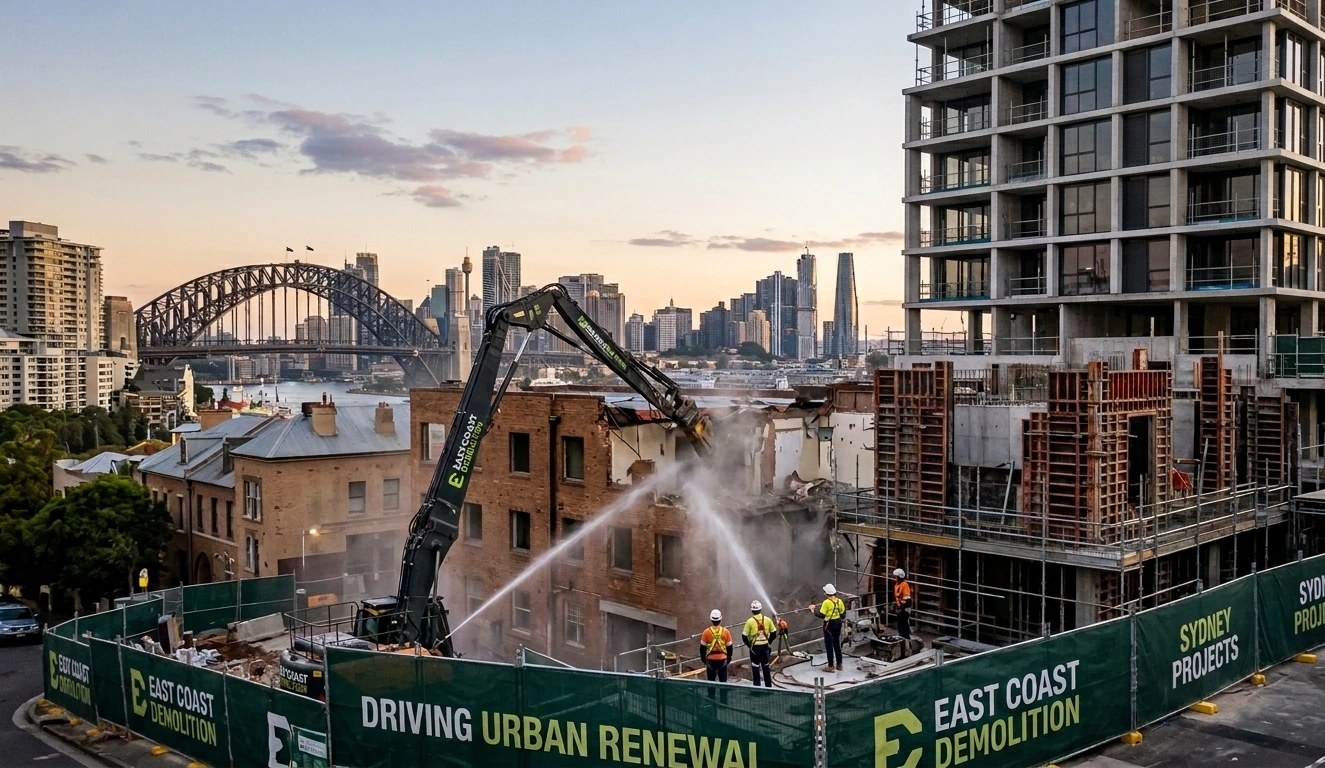
Sydney is currently witnessing a monumental shift in its architectural DNA. As the city expands and modernizes, the demand for sophisticated urban renewal projects has reached an all-time high. This revitalization often begins with a teardown, clearing the path for state-of-the-art residential, commercial, and infrastructure developments. In this evolving landscape, Demolition Companies Sydney are playing a pivotal role, shifting their focus from simple destruction to being the literal foundation for greener, smarter cityscapes. This new era of demolition treats every structure not as debris, but as a resource for the future.
Leading this charge is the adoption of environmentally conscious practices that prioritize resource recovery and waste minimization. Companies that embrace these principles are redefining what it means to be a modern contractor. By utilizing advanced sorting technologies and salvage methods, they ensure that significant amounts of materials, like concrete and steel, are recycled rather than sent to landfills. For developers and homeowners concerned about their carbon footprint, choosing a green demolition partner is essential. This often involves ensuring that hazardous materials, such as old insulation or piping, are handled by experts specializing in Licensed Asbestos Removal.
The Evolution of Sustainable Demolition in Sydney
The concept of green demolition, also known as deconstruction, involves the systematic dismantling of structures with the primary goal of maximizing material reuse. Unlike traditional “wrecking ball” methods, which prioritize speed and treat everything as waste, green demolition is a strategic approach. It views buildings as repositories of valuable resources that can be fed back into the circular economy.
Core Benefits of Green Urban Renewal
- Environmental Preservation: By diverting materials from landfills, green demolition conserves precious landfill space, which is becoming increasingly scarce around Greater Sydney.
- Resource Conservation: Recycling materials reduces the need to harvest raw natural resources, such as timber and minerals, for new construction projects.
- Energy Efficiency: Manufacturing new materials is energy-intensive. Recycling existing steel or crushing concrete for road base requires significantly less energy, leading to lower greenhouse gas emissions.
Strategic Waste Management and Recycling
Effective waste management is the heartbeat of modern demolition. Top Demolition Companies Sydney are implementing robust recycling programs that significantly boost resource recovery rates. These programs go beyond simple sorting and include on-site processing and partnerships with specialized recycling facilities.
On-Site Material Sorting
Workers meticulously separate materials like wood, metal, masonry, and cardboard at the source. This increases the purity of the sorted materials, making them more valuable and easier to process for high-grade recycling.
Concrete Crushing and Reuse
Modern equipment is used to crush concrete from old structures into aggregates on-site. This recycled concrete is then reused as a stable base layer for new roads and foundations, significantly reducing transport emissions.
Salvaging Architectural History
Valuable architectural elements, fixtures, and antique materials are carefully salvaged before the main demolition begins. According to the Green Building Council of Australia, reusing materials is one of the most effective ways to lower the embodied carbon of a new development.
Advanced Safety and Hazardous Material Handling
As Sydney’s older suburbs undergo renewal, the management of legacy materials like asbestos becomes a top priority. Modern demolition is now a highly technical field where safety protocols are as important as the machinery used.
The Importance of Asbestos Management
The presence of hazardous materials poses significant health risks if not managed with surgical precision. Top-tier companies now prioritize comprehensive surveys as an integral part of their green approach, ensuring no contaminants enter the recycling stream.
Modern Safety Protocols
- Detailed Inspections: Professional assessors identify all hazardous materials within the structure before any physical work begins.
- Specialized Removal: Licensed professionals carry out removal using strictly regulated vacuum and containment procedures.
- Secure Disposal: Hazardous waste is double-wrapped and transported in sealed containers to approved facilities, preventing environmental contamination.
Technological Innovations in the Demolition Industry
The integration of advanced technology is further propelling the shift towards sustainable practices. From robotic demolition to sophisticated software, innovation is making the process cleaner and more efficient.
Tech Integration Table
| Technology | Application | Environmental & Safety Benefit |
| Robotic Demolition | Controlled dismantling in tight spaces. | Precision minimizes damage to salvageable items and keeps workers out of harm’s way. |
| Hybrid Heavy Machinery | Electric and hybrid excavators and loaders. | Reduces on-site noise pollution and fuel consumption, lowering the carbon footprint. |
| Material Tracking Software | Digital logs of all diverted waste. | Provides transparency and proof of recycling rates for green building certifications. |
| Dust Suppression Mist | High-efficiency misting systems. | Captures airborne particles, protecting the air quality of the surrounding Sydney neighborhoods. |
How to Choose the Right Demolition Partner
Selecting a demolition company is a crucial decision for any redevelopment project. A commitment to green practices should be a non-negotiable criterion. This not only supports environmental goals but often leads to a cleaner, more organized site for the following construction phase.
Key Qualities to Look For
- Comprehensive Licensing: The company must hold all necessary NSW licenses and comprehensive insurance.
- Proven Safety Record: Look for companies with a demonstrated commitment to safety and rigorous staff training.
- Experience in Deconstruction: Ask for case studies where they achieved high landfill diversion rates.
- Transparent Communication: A professional company will provide a thorough, written plan outlining the demolition process and waste management strategy.
The Impact on Project Timelines
While green demolition can sometimes take slightly longer than traditional methods due to the sorting process, it often saves time during the construction phase. A site that has been professionally cleared and where materials have been processed on-site is frequently “build-ready” sooner than a site cluttered with unsorted debris.

2026 Trends: The Shift Toward a Circular Economy in Sydney
The demolition landscape in 2026 has moved beyond simple waste management toward a full “circular economy” model. This approach ensures that the value of building materials is maintained for as long as possible, treating every Sydney demolition site as a “mine” for high-quality resources. Demolition Companies Sydney are now central players in this cycle, ensuring that the “take-make-dispose” era is replaced by “recover-recycle-rebuild.”
Implementing the 2026-2035 Circular Materials Strategy
The City of Sydney has recently launched the Waste Reduction and Circular Materials Strategy 2026–2035, which sets ambitious targets for the construction sector. This strategy isn’t just a suggestion; it’s a roadmap for how the city will function over the next decade.
Key Targets for Local Projects
- 95% Resource Recovery: Top-tier demolition projects are now aiming to recover nearly all materials generated during site clearing.
- Mandatory Circular Design: New developments must now show how they will use fewer new materials and allow for easy dismantling in the future.
- Market Growth: The Australian construction waste recycling market is projected to grow significantly by 2034, reflecting the massive investment in local recycling infrastructure.
New Regulatory Standards for Sydney Demolition in 2026
Safety and compliance have reached new heights this year with updated regulations from SafeWork NSW. These changes ensure that every worker on a Sydney demolition site is trained to the highest modern standards, particularly when dealing with the complexities of urban renewal and hazardous materials.
Mandatory Training and Licensing Updates
As of March 2025 and continuing into 2026, new mandatory training requirements have come into effect for all demolition workers in NSW. This ensures that anyone operating on a licensed site has the specific skills to identify modern hazards and manage risks effectively.
Critical Compliance Requirements
- New Supervisor Competencies: Demolition supervisor training has been overhauled to include 10 updated units of competency, reflecting the technical nature of 2026 projects.
- Psychosocial Hazard Management: Under new WHS regulations effective late 2025, companies must now actively manage the mental health and stress levels of workers on high-risk sites.
- Engineered Stone Restrictions: Continued strict enforcement of the silica ban means demolition teams must use specialized methods when removing legacy materials to prevent dust exposure.
Digital Twins and AI: The Tech Revolution in Site Clearing
Technology has moved from the office to the job site. In 2026, Demolition Companies Sydney are using Artificial Intelligence and “Digital Twin” technology to plan teardowns with surgical precision. This tech-first approach minimizes errors, speeds up timelines, and maximizes the salvage value of the property.
Precision Planning with Digital Twins
A “Digital Twin” is a virtual 3D replica of the building scheduled for demolition. By using sensors and drone scans, contractors can simulate the entire deconstruction process before a single machine arrives on-site.
Technological Advantages in 2026
- AI-Powered Sorting: Modern recycling facilities now use AI-driven robotic arms to separate demolition debris with 99% accuracy, far exceeding manual sorting.
- Predictive Logistics: AI algorithms analyse Sydney traffic patterns and fuel prices to optimize waste transport, significantly reducing the carbon footprint of every haul.
- Real-Time Emissions Tracking: Companies now use IoT sensors to provide clients with live data on noise levels, dust suppression, and carbon savings throughout the project duration.
Social Responsibility: Minimizing Community Impact
Urban renewal doesn’t happen in a vacuum—it happens in neighborhoods where people live and work. The “Green” shift in demolition also includes a focus on social sustainability, ensuring that the process of tearing down doesn’t tear apart the local community.
Noise and Vibration Mitigation
Modern demolition in 2026 utilizes “non-explosive” and low-vibration techniques. This is essential in high-density areas like the Sydney CBD or Inner West, where traditional methods could damage neighboring heritage structures or disrupt local businesses.
Community-Focused Practices
- Advanced Dust Suppression: Using high-efficiency misting systems that “bind” dust particles to the ground, keeping the air clear for nearby residents.
- Strategic Scheduling: Coordinating heavy machinery use and transport during off-peak hours to minimize traffic congestion in narrow Sydney streets.
- Local Employment: Many top companies now prioritize hiring local labor and supporting Sydney-based recycling businesses, keeping the economic benefits of urban renewal within the community.
Conclusion
The evolution of the demolition industry in Sydney represents a significant leap forward in responsible urban development. Leading Demolition Companies Sydney are no longer seen simply as wrecking crews but as strategic partners essential for sustainable city building. Their adoption of green demolition practices, advanced recycling techniques, and stringent safety standards demonstrates a deep commitment to environmental stewardship. For developers and homeowners alike, prioritizing these responsible operators is the key to ensuring their projects contribute positively to the future of our city.
When planning your next redevelopment, remember that the foundation for a sustainable future starts with a clean, professional, and environmentally conscious start. Partnering with a company that aligns with these values will ensure your project is efficient and legally compliant. If you are ready to start your project with a team that values safety and sustainability, Contact us today to discuss your specific requirements and receive a comprehensive project plan.
Frequently Asked Questions
What is the difference between demolition and deconstruction?
Demolition generally refers to the rapid tearing down of a building, while deconstruction (green demolition) involves the careful, manual dismantling of components to maximize the salvage and recycling of materials.
Is green demolition more expensive than traditional methods?
While labor costs may be higher for sorting, the savings generated from reduced landfill fees and the sale of salvaged materials often make green demolition cost-competitive or even cheaper in the long run.
Why do I need a specialist for asbestos removal in Sydney?
Asbestos is a highly regulated hazardous material. Only licensed specialists have the training and equipment to remove it without releasing dangerous fibers into the air, ensuring the safety of your family and neighbors.
Can all materials from a house demolition be recycled?
Not all, but a high percentage can. Concrete, bricks, scrap metal, and certain timbers are highly recyclable. Materials contaminated with hazardous substances or certain composite plastics are generally sent to specialized waste facilities.
Do I need council approval for demolition in Sydney?
Yes, most demolition work in Sydney requires a Development Application (DA) or a Complying Development Certificate (CDC). A professional demolition company can often assist you with the necessary paperwork and compliance.
How do companies track their recycling percentages?
Top companies use weighbridge dockets and material tracking software to record every ton of waste that leaves the site, categorizing it by type and destination (recycling facility vs. landfill).