

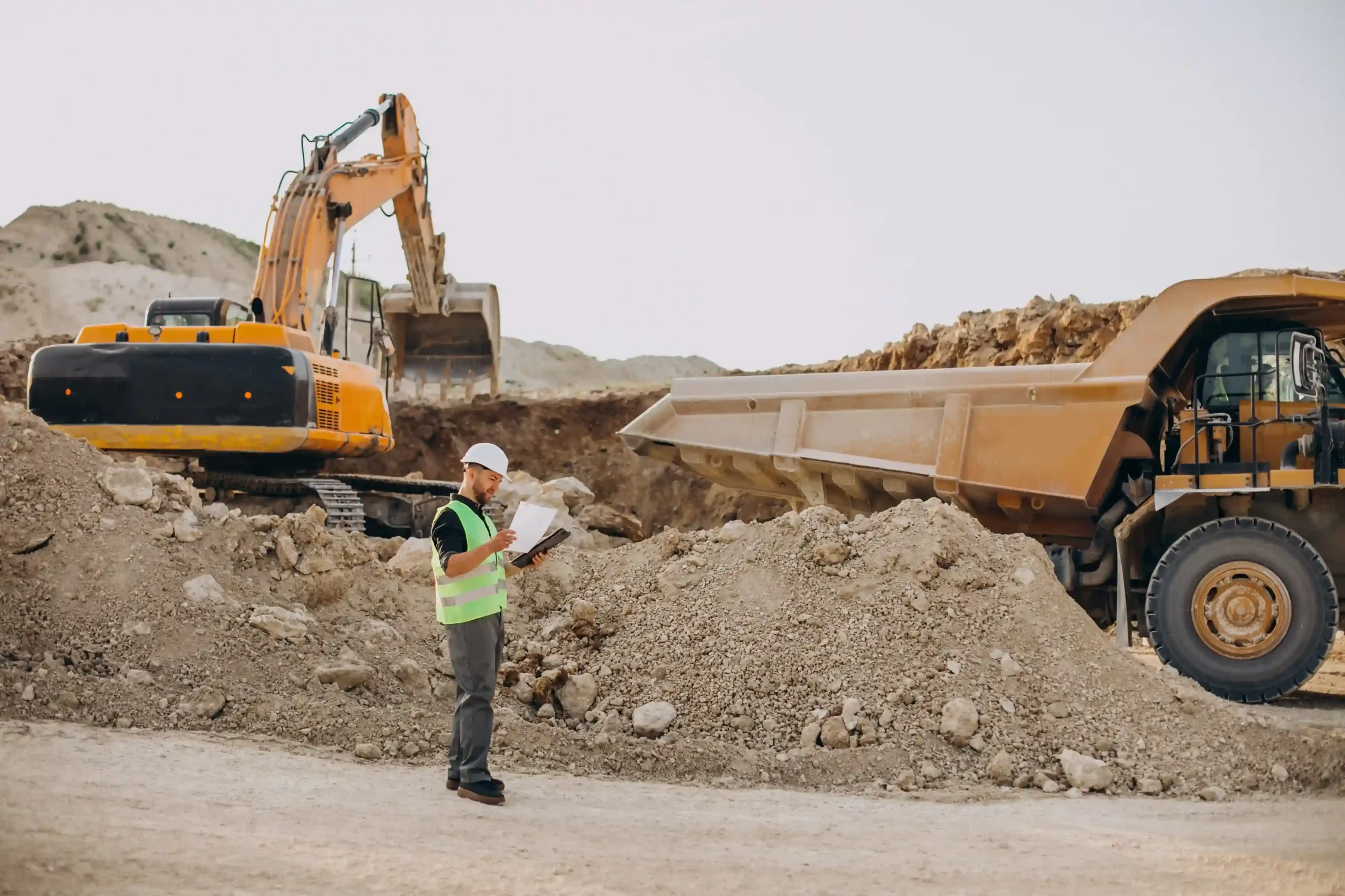
Starting a construction project in the Harbour City is an exciting venture, but it all begins from the ground up. Whether you’re planning a residential renovation, commercial development, or landscaping overhaul, understanding the nuances of Excavation Sydney is essential for achieving a successful outcome. The region’s diverse geography—stretching from sandy coastal plots to solid sandstone ridges—demands both specialised expertise and the right machinery. For deeper insights into early-stage site preparation, you can also explore this helpful strip-out demolition guide, which aligns closely with the groundwork required for safe and efficient excavation. This comprehensive overview will help you navigate local regulations, prepare your site effectively, and ensure your project stands on a strong and stable foundation.
Understanding the Landscape of Excavation Sydney
The Importance of Site Assessment
Before any machinery arrives on-site, a thorough assessment is mandatory. Sydney’s soil composition varies wildly. You might encounter heavy clay in the Western Suburbs or solid rock in the North Shore.
Soil Testing and Reports
- Geotechnical Surveys: These reports determine the stability of the ground.
- Contamination Checks: Vital for brownfield sites or older residential areas.
- Water Table Analysis: Essential for basement excavations near the coast.
Identifying Underground Utilities
Safety is the priority. Engaging with “Dial Before You Dig” ensures that your Excavation Sydney project doesn’t accidentally strike gas, water, or fiber-optic lines, which can lead to massive fines and dangerous site conditions.
Types of Excavation Services Available
Not all digging is created equal. Depending on your architectural plans, you may require different specialized techniques.
Residential Earthworks
This includes preparing foundations for new homes, extensions, or granny flats. Precision is key here to ensure the structural integrity of the future building.
Bulk Excavation and Detailed Earthworks
- Bulk Excavation: Removing large quantities of soil or rock to reach a specific level.
- Detailed Excavation: Precise digging for footings, grade beams, and plumbing trenches.
Navigating Regulations and Permits
Council Approvals and DA Requirements
Every local council in the Sydney metropolitan area has its own set of Development Application (DA) rules. Excavation Sydney often requires specific permits, especially if you are removing significant amounts of earth or working near heritage zones.
Noise and Dust Control
Living in a high-density city means you have neighbours. Councils strictly enforce:
- Work Hours: Usually 7:00 AM to 5:00 PM on weekdays.
- Dust Suppression: Using water carts or hoses to minimize airborne particles.
- Vibration Monitoring: Essential when using heavy rock breakers near existing structures.
Waste Disposal Regulations
The EPA has strict guidelines on where soil and “VENM” (Virgin Excavated Natural Material) can be dumped. Professional Excavation Sydney contractors will provide “tipping dockets” to prove legal and ethical disposal.
Choosing the Right Equipment for Sydney Terrain
Tight Access Specialists
Sydney is famous for its narrow driveways and terrace houses. Sometimes, a standard excavator simply won’t fit.
Micro and Mini Excavators
- 1-Tonne Diggers: Can fit through a standard doorway.
- Rubber Tracks: Prevent damage to existing driveways and paths.
High-Reach and Long-Boom Machinery
For larger commercial sites or deep basement Excavation Sydney projects, specialized long-reach arms are required to move earth from deep pits into waiting tipper trucks.
Rock Sawing and Breaking
Because much of the city sits on a basin of Hawkesbury Sandstone, standard buckets often aren’t enough.
Specialized Attachments
- Diamond Saws: For clean, vibration-free cuts in rock.
- Hydraulic Hammers: For breaking through stubborn shale and stone.
The Cost Factors of Excavation Sydney
Pricing Structures and Estimates
Understanding the budget is the most stressful part for many homeowners. Excavation Sydney costs are generally calculated based on several variables.
Fixed Price vs. Hourly Rates
Most contractors offer hourly rates for the machine and operator, but for well-defined projects, you can request a fixed-price quote to avoid “hidden surprises” in the soil.
Common Cost Add-ons
- Rock Encounter: Finding unexpected rock can double the daily cost.
- Tip Fees: The cost of dumping soil is rising annually in NSW.
- Transport (Float) Fees: The cost of moving the heavy machinery to your location.
Safety and Risk Management
Structural Support and Shoring
When you dig deep, the surrounding land wants to fill that hole. Shoring is the process of bracing the walls of an excavation to prevent collapse.
Methods of Ground Support
- Piling: Driving steel or concrete pillars into the ground.
- Shotcreting: Spraying concrete onto earth walls to stabilize them.
- Benchmarking: Digging in “steps” to reduce the risk of landslides.
Working with Professional Contractors
The DIY approach to Excavation Sydney is rarely a good idea. Licensed operators bring insurance, expertise, and the ability to handle the “unseen” problems that inevitably arise once you break the surface.
Environmental Sustainability in Sydney Earthworks
Managing Runoff and Erosion
Managing runoff and erosion is a critical responsibility, especially in a city like Sydney where coastal zones and river systems are closely interconnected. During any Excavation Sydney project, builders must prioritise sediment control to prevent loose soil from washing into the stormwater network. Proper measures—such as silt fencing, sediment basins, and stabilised site access—help protect waterways and ensure compliance with environmental standards. For additional insight into best-practice erosion management, you can refer to reliable industry resources such as NSW Environment Guidelines.
Best Practices for Site Protection
- Silt Fences: Installing fabric barriers around the perimeter to catch sediment.
- Gravel Entry Pads: Preventing trucks from tracking mud onto public Sydney roads.
- Hay Bales: Used in high-flow areas to filter runoff before it leaves the site.
Recycling Excavated Materials
Sustainability is becoming a major focus for Excavation Sydney contractors. Instead of sending all waste to a landfill, many materials can be repurposed.
Common Recycled Aggregates
- Crushed Concrete: Often used as a base for new driveways.
- Screened Topsoil: Separated from debris and reused for local landscaping.
- Sandstone Blocks: Large pieces of rock can be cut and used for retaining walls.
The Role of Technology in Modern Digging
GPS and Laser Leveling Precision
The days of manual string lines are fading. Advanced Excavation Sydney firms now utilize GPS-guided machinery to ensure that depths and grades are accurate to the millimetre.
Benefits of Tech-Driven Excavation
- Reduced Over-Excavation: Saves money by not removing more soil than necessary.
- Faster Completion: Machines spend less time re-checking levels manually.
- Safety: Operators can identify “no-go” zones programmed into their digital site maps.
Utility Mapping and 3D Ground Scanning
Before the first bucket hits the dirt, high-tech scanning can “see” through the ground. This is particularly useful for Excavation Sydney in older suburbs where underground pipes may not be accurately mapped on old council records.
Professional Project Management for Earthworks
Coordinating with Other Trades
An excavation is rarely a standalone event. It must be perfectly timed between the demolition crew and the concrete pourers. Effective Excavation Sydney management ensures that the site doesn’t sit open and exposed to the elements for longer than necessary.
The Importance of Scheduling
- Weather Monitoring: Adjusting the schedule based on Bureau of Meteorology (BOM) alerts for Greater Sydney.
- Truck Sequencing: Ensuring tipper trucks arrive at intervals to avoid blocking narrow city streets.
Insurance and Liability in Urban Areas
Excavating in a city as densely populated as Sydney carries risks to neighboring properties. A reputable Excavation Sydney company will carry comprehensive Public Liability Insurance.
Protecting Your Assets
Before work begins, it is common practice to perform a “Dilapidation Report.” This documents the current state of neighbouring walls and driveways, providing a baseline in case of any vibration-related damage during the Excavation Sydney process.
Conclusion
Successfully managing Excavation Sydney requires a blend of careful planning, local geographical knowledge, and the right equipment. By focusing on thorough site inspections, adhering to council regulations, and hiring experienced professionals, you can ensure that your project starts on the best possible footing. Remember that the ground beneath us is rarely predictable; however, with the right approach to Excavation Sydney, you can transform any plot of land into a blank canvas for your dream build. Whether it’s a backyard pool or a multi-story basement, the success of your construction lies in the quality of the earthworks performed today.
Frequently Asked Questions
1. How much does Excavation Sydney typically cost for a backyard pool?
Costs vary depending on access and soil type, but you can generally expect to pay between $3,000 and $10,000. If the contractors hit solid sandstone, the price may increase due to the need for specialized rock-breaking equipment.
2. Do I need a permit for minor Excavation Sydney work on my property?
It depends on your local council and the depth of the dig. Generally, any excavation over 600mm or near a boundary requires a permit or Complying Development Certificate (CDC) to ensure neighbour safety.
3. What is “Tight Access” excavation?
Tight access refers to projects where the entry point is less than 1.5 meters wide. Specialists in Excavation Sydney use micro-machinery specifically designed to navigate narrow side passages and small residential gates.
4. How do I dispose of the dirt from my excavation?
Excess soil must be taken to a licensed landfill or recycling center. Your contractor should handle this and provide you with tipping receipts to ensure the waste was disposed of according to NSW EPA guidelines.
5. How long does a standard residential excavation take?
For a clear site with easy access, a standard house slab preparation can be completed in 1 to 3 days. However, factors like heavy rain or discovering underground rock can extend this timeline significantly.
6. Can excavation happen during the rainy season in Sydney?
While light rain is manageable, heavy downpours usually halt Excavation Sydney work. Digging in mud is dangerous for machinery stability and makes soil disposal much more expensive due to the added weight of the water.