

Planning a major home renovation or a complete rebuild is an exciting milestone for any homeowner. However, before the new dream home can rise, the old structure must come down. Navigating a house demolition in Sydney requires more than just heavy machinery; it involves a complex web of council approvals, safety regulations, and environmental considerations. Working with an experienced Demolition Contractor Sydney ensures the process is handled safely and efficiently. Whether you are knocking down a weatherboard cottage in the Inner West or a brick veneer home in the Northern Beaches, understanding the process is the first step toward a stress-free project.
Why Consider House Demolition?
In a competitive real estate market like Sydney, many buyers find that “knock-down rebuild” projects offer better value than purchasing a newly built home. By choosing house demolition in Sydney, you gain a blank canvas to design a floor plan that suits modern living—complete with energy-efficient materials and smart home technology—all while staying in the neighbourhood you love.
The Stages of House Demolition in Sydney
The process is far more nuanced than simply tearing down walls. To ensure a smooth transition, most projects follow these critical stages:
Initial Site Inspection:
A professional team assesses the structure, access points, and potential hazards like proximity to power lines or neighbouring fences.
Permit Procurement:
You cannot begin a house demolition in Sydney without the proper paperwork. This usually involves a Complying Development Certificate (CDC) or a Development Application (DA) through your local council.
Service Disconnections:
Before any work begins, electricity, gas, water, and sewer lines must be capped or disconnected by licensed professionals.
Hazardous Material Removal:
Given the age of many Sydney suburbs, asbestos is a common concern that must be handled by specialists.
The Main Event:
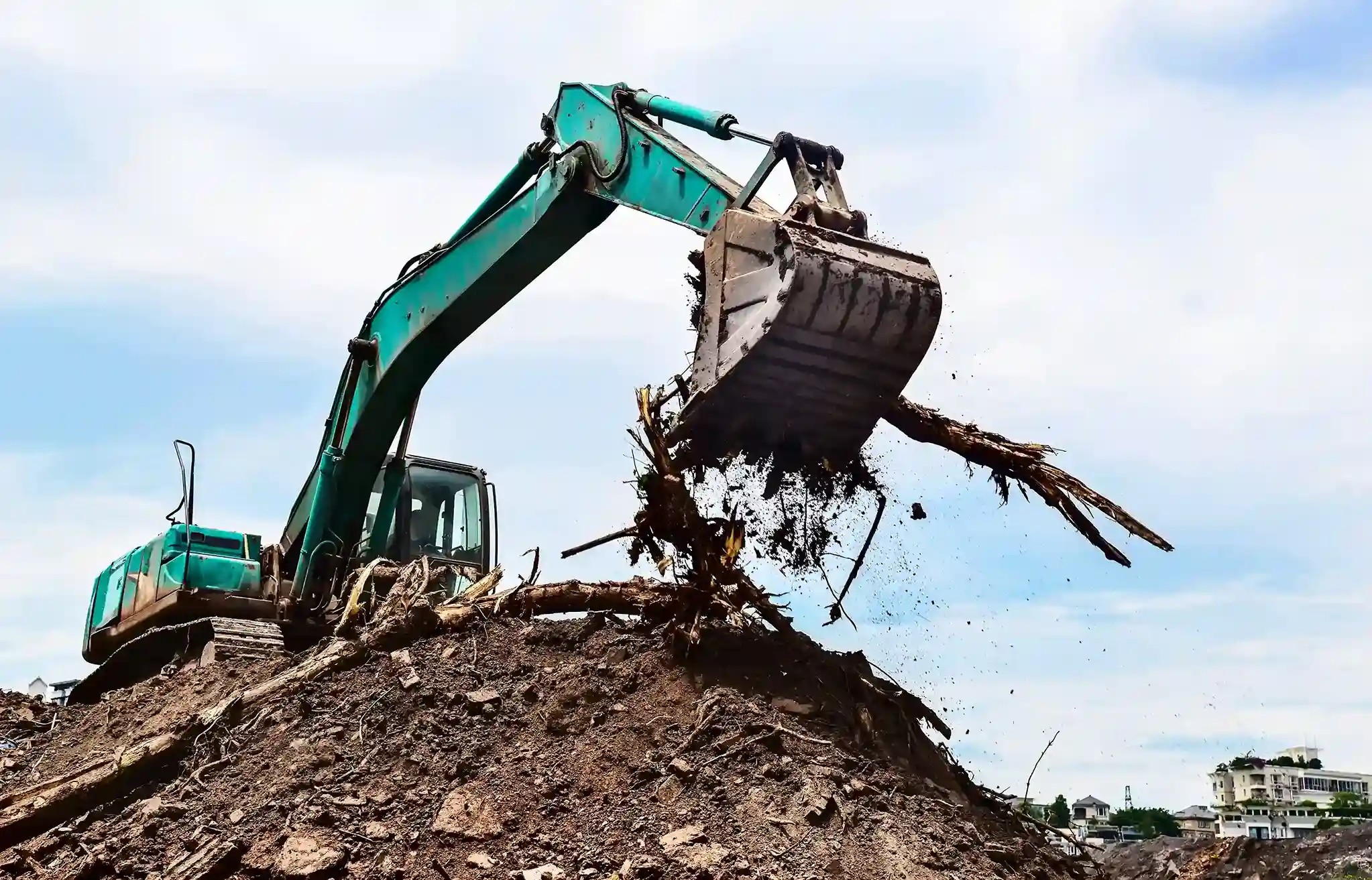
Using excavators and specialized tools, the structure is methodically brought down.
Site Clearance:
Once the house is down, the debris is sorted, and the site is levelled (scraped) to prepare for the new slab.
The Technicalities of Utility Disconnection
You cannot pull down a house while it is still “live.” This is a common bottleneck in any house demolition in Sydney. You must coordinate with:
Auspicious Energy Providers:
To physically remove the electricity meter and the “service fuse” from the street.
Sydney Water:
To ensure the sewer is capped at the correct junction and the water meter is protected or moved.
Gas Providers:
To decommission the gas line; this is critical as a ruptured gas line during house demolition in Sydney can lead to site evacuations and heavy fines.
Navigating the Legalities: DA vs. CDC for Your Sydney Project
In the world of house demolition in Sydney, you generally have two paths for approval. A Development Application (DA) is submitted directly to your local council and is often required if your home has heritage value or sits in a sensitive environmental zone. This process can take several months as it may involve community consultation and assessments by regulatory bodies such as the NSW Planning Portal.
Alternatively, many homeowners opt for a Complying Development Certificate (CDC). This is a fast-tracked approval process handled by a private certifier. To qualify for a CDC during a house demolition in Sydney, your project must meet specific “black and white” criteria set by the state government. While faster, it is less flexible than a DA. Choosing the right approval pathway is the most critical decision you will make in the pre-planning phase.
Understanding the Costs
Estimating the cost of a house demolition in Sydney depends on several variables. While it might be tempting to look for the cheapest quote, it is vital to ensure the price includes tipping fees and site remediation.
|
Factor |
Impact on Cost |
|---|---|
| House Size | Larger footprints naturally require more time and labour. |
| Material Type | Brick and concrete are heavier and costlier to transport than timber. |
| Hazardous Materials | Specialized asbestos removal adds a significant premium. |
| Site Access | Narrow Sydney streets or steep slopes can increase equipment costs. |
| Vegetation | Large trees that need removal will add to the final bill. |
Navigating Council Regulations
Sydney is divided into various local government areas (LGAs), each with its own set of rules regarding heritage overlays and environmental protection. When planning a house demolition in Sydney, you must check if your property is in a heritage conservation area. If it is, the façade or even the entire structure might be protected, requiring a more delicate “partial demolition” approach rather than a total knockdown.
The Importance of Asbestos Management
Safety is the top priority for any house demolition in Sydney. Homes built before 1990 in NSW have a high probability of containing asbestos, particularly in wet areas (bathrooms/laundries) or as external cladding.
Identification:
A licensed assessor should conduct a pre-demolition hazardous materials survey.
Removal:
Only licensed Class A or Class B asbestos removalists should handle these materials.
Disposal:
Asbestos must be wrapped, sealed, and transported to a specialized waste facility, with tipping receipts provided to the homeowner as proof of compliance.
Managing Vegetation and Tree Preservation Orders (TPO)
When preparing for a house demolition in Sydney, the structure isn’t the only thing that needs clearing. Most Sydney councils have strict Tree Preservation Orders (TPO) that protect specific species or trees over a certain height. You cannot simply bulldoze a 50-year-old Gum tree because it’s in the way of your new driveway.
Arborist Reports:
You may need a professional report to prove a tree is dead, dying, or structurally unsound before removal.
Root Protection Zones:
If you are keeping trees, the demolition crew must install fencing to ensure heavy machinery doesn’t crush the root systems.
Stump Grinding:
Ensure your quote for house demolition in Sydney includes grinding stumps at least 300mm below ground level to prevent issues with your new foundation.
Environmental Sustainability and Recycling
The modern approach to house demolition in Sydney emphasizes “deconstruction” over destruction. Instead of everything heading to a landfill, professional contractors now aim to recycle up to 80% of the materials.
Concrete and Bricks:
These are crushed and reused as road base or aggregate.
Timber:
Old hardwood beams are often salvaged for furniture or architectural features.
Metals:
Steel, copper piping, and aluminium window frames are highly recyclable and are sent to scrap yards.
Green Waste:
Garden clearing is mulched for landscaping use.
Selecting the Right Contractor
Choosing the right team is the difference between a project that finishes on time and one that ends in a legal or financial nightmare. When vetting experts for your house demolition in Sydney, ask the following:
Are you fully licensed and insured?
Ask for copies of Public Liability and Workers’ Compensation insurance.
Do you provide a detailed quote?
Ensure there are no “hidden extras” for waste disposal or site levelling.
How do you handle neighbour relations?
A good contractor will manage dust, noise, and vibration to keep your future neighbours happy.
What is the timeline?
Most standard house demolition in Sydney projects take between 2 to 4 weeks from setup to final site clearance.
Protecting Your Reputation: Managing Neighbours and Dilapidation Reports
A house demolition in Sydney can be a noisy, dusty affair that tests the patience of even the friendliest neighbours. To protect yourself from potential legal disputes, it is highly recommended to commission a “Dilapidation Report” for the neighbouring properties.
This report is a photographic record of the condition of the adjoining driveways, walls, and fences before any vibration-heavy work begins. If a neighbour claims that your house demolition in Sydney caused a crack in their wall, you have dated evidence to prove whether that crack was pre-existing. This small upfront investment can save thousands in mediation costs later on.
Site Preparation for the Rebuild
Once the old structure is gone, the land must be prepared for the builder. This phase, often called the “site scrape,” involves removing the footings, old pipes, and any underground storage tanks. A clean, level site is essential for your new home’s foundation. Without a thorough house demolition in Sydney, your builder may encounter unexpected “rock or debris” costs during the excavation phase of the new build.
Neighbourly Etiquette During Demolition
Sydney’s high-density living means your neighbours are often just a few meters away. It is standard practice (and often a council requirement) to notify neighbours in writing before a house demolition in Sydney begins. Providing them with a direct contact number for the site supervisor can prevent complaints and ensure that any concerns about dust or shared fences are addressed immediately.
Conclusion
Embarking on a house demolition in Sydney is the first major step toward building the home of your dreams. By understanding the costs, securing the right permits, and hiring a reputable contractor who prioritizes safety and recycling, you can ensure the process is efficient and compliant. While it may seem daunting at first, a well-executed house demolition in Sydney provides a clean slate and the structural foundation needed for a successful property development.
Frequently Asked Questions
1. How much does a typical house demolition in Sydney cost?
While prices vary, a standard three-bedroom home usually costs between $20,000 and $45,000. Factors such as asbestos presence, site slope, and material types will influence the final quote significantly.
2. Do I need a permit for a house demolition in Sydney?
Yes, you generally need either a Complying Development Certificate (CDC) or a Development Application (DA) from your local council. Working without these permits can lead to heavy fines and legal action.
3. How long does the actual demolition take?
The physical knockdown usually takes only 2 to 5 days. However, the entire process—including site preparation, asbestos removal, and final waste clearing—typically spans 2 to 3 weeks.
4. Can I keep the materials from my demolished house?
Yes, you can negotiate with your contractor to keep certain items like heritage bricks or timber beams. However, you must arrange for their safe storage or transport before the main heavy machinery arrives.
5. What is the difference between a knockdown-rebuild and a major renovation?
A knockdown-rebuild involves a total house demolition in Sydney to start fresh, which is often more cost-effective and provides a superior modern result compared to trying to fix old structural issues.
6. Is asbestos always found in Sydney homes?
Not always, but it is highly common in homes built before 1990. Professional testing is the only way to confirm its presence and ensure it is removed according to NSW health and safety standards.