

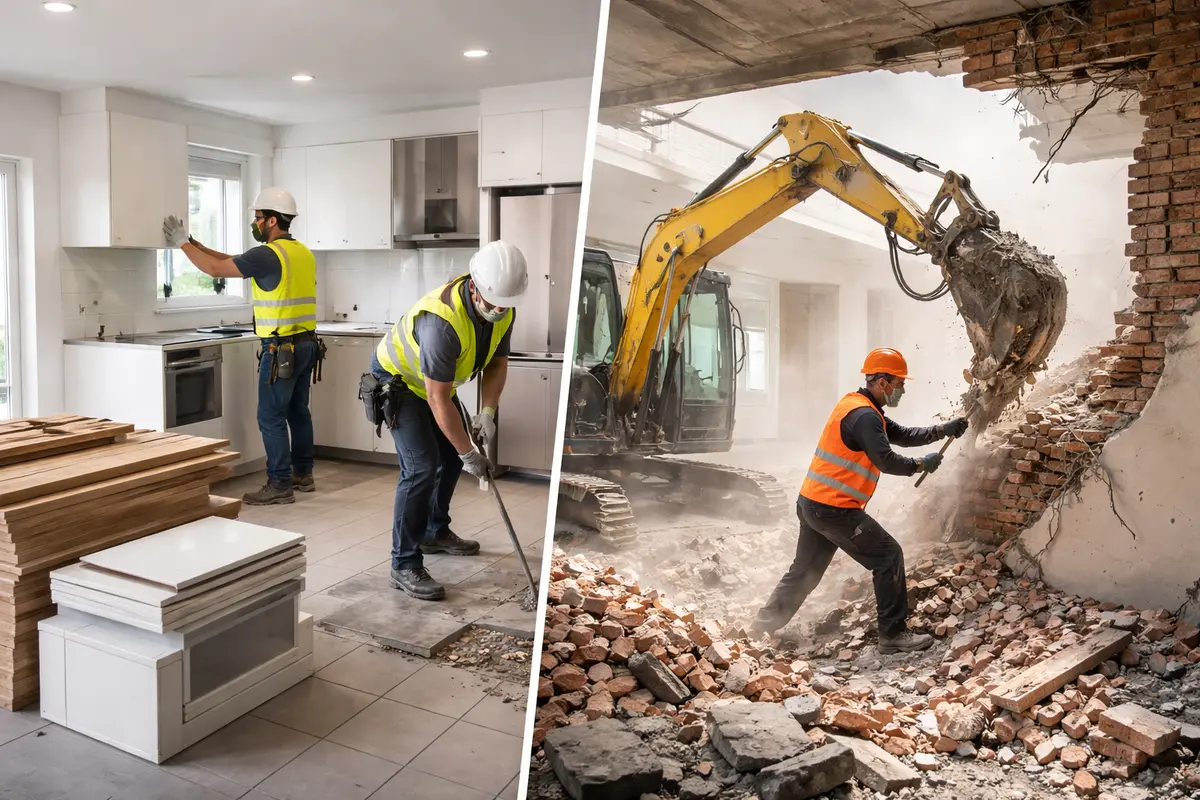
When embarking on a property transformation in Sydney, the first hurdle is often deciding how to clear the space. While many property owners default to the idea of total demolition, savvy developers and homeowners are increasingly turning to professional strip out contractors to streamline their projects. A strip out involves the strategic removal of internal elements such as cabinetry, flooring, and non-load-bearing walls while leaving the building’s primary structure intact. This surgical approach is not only more sustainable but serves as a cost-effective alternative to flattening a site and starting from scratch.
Choosing the right path requires an understanding of your building’s structural integrity and your ultimate design goals. If you are looking for expert Demolition & Strip Out Services in the Sydney metropolitan area, it is essential to partner with a team that understands local council regulations and waste management protocols. By opting for a targeted interior removal, you can preserve the “bones” of your property while creating a blank canvas for a modern upgrade, ensuring your budget is spent on high-end finishes rather than unnecessary structural reconstruction.
Understanding the Core Differences: Strip out vs. Demolition
What is a Full Demolition?
Full demolition is the complete razing of a structure. This process involves heavy machinery like excavators and wrecking balls to level a building to the ground, leaving only a vacant lot. It is typically required when a building is structurally unsound, contains irreparable damage, or when the new design footprint is entirely different from the existing one.
When is Demolition Necessary?
- Structural Failure: If the concrete or timber frame is compromised beyond repair.
- Total Site Re-imagining: When you are building a multi-story apartment block where a single house once stood.
- Safety Hazards: In cases of severe fire damage or long-term neglect.
What is an Internal Strip out?
An internal strip out is a precise, controlled process. Instead of knocking the building down, strip out contractors enter the premises to remove specific components. This includes the removal of floor coverings, ceilings, partition walls, and mechanical services (electrical and plumbing) without affecting the building’s structural shell.
Key Components of a Strip out
- Floor Coverings: Removing carpet, timber, or tiles down to the slab.
- Wall Systems: Taking out drywall, glass partitions, and non-structural studs.
- Ceilings: Dropping suspended ceilings and removing insulation.
- Fixtures: Clearing out kitchens, bathrooms, and built-in cabinetry.
How Strip out contractors Save You Money in Sydney
Reduced Disposal and Tipping Fees
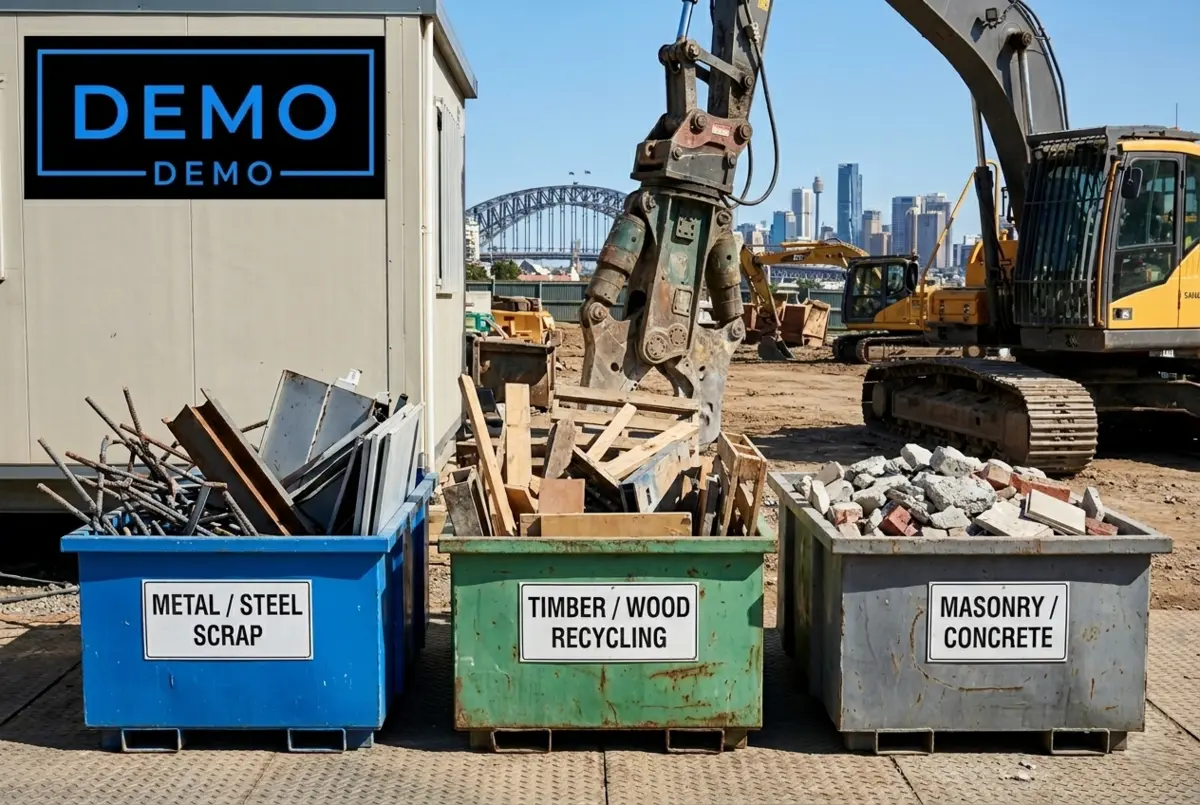
In Sydney, waste disposal is one of the highest expenses in any construction project. A full demolition generates tons of heavy concrete and brick debris, which attracts high levies at waste management facilities. Strip out contractors generate significantly less volume, and because the materials are separated at the source (timber, metal, plasterboard), recycling rates are higher, and tipping costs are lower.
Shorter Project Timelines
Time is money in the Sydney real estate market. A full demolition requires extensive council approvals, site fencing, and heavy equipment logistics. Conversely, an office strip out or residential removal can often be completed in a fraction of the time, allowing your builders to start the fit-out phase weeks earlier.
Preservation of Existing Assets
By hiring expert strip out contractors, you retain the expensive structural elements of your building. You don’t have to pay to re-pour a concrete slab or re-erect a steel frame. This “preservation-first” mindset ensures that your investment goes toward the visible aesthetics of the renovation.
 Specialized Strip out Services for Every Property Type
Commercial Strip out and Office De-fitting
Commercial leases in Sydney often include “make-good” clauses. This requires tenants to return the office to its original state at the end of a lease. A commercial strip out ensures that all office partitions, workstations, and branded elements are removed without damaging the landlord’s asset.
Benefits for Sydney Businesses
- Compliance: Meeting lease obligations to avoid legal disputes.
- Efficiency: Minimal disruption to neighboring businesses in the building.
- Safety: Proper handling of data cabling and electrical shutdowns.
Residential Strip out for Home Renovations
Whether you are updating a terrace in Surry Hills or a bungalow in Parramatta, a residential strip out is the first step toward a dream home. It allows you to see the exact dimensions of the space you have to work with, uncovering any hidden plumbing or electrical issues before the new kitchen or bathroom arrives.
Common Residential Scenarios
- Kitchen Upgrades: Removing old cabinetry and appliances.
- Bathroom Gutting: Stripping tiles and waterproofing back to the studs.
- Wall Removal: Creating open-plan living spaces by removing non-load-bearing partitions.
Comparing Costs: A Detailed Breakdown
The following table provides a general comparison of the financial and logistical impacts of choosing strip out contractors versus full demolition teams for a standard Sydney property.
| Feature | Strip Out Services | Full Demolition |
| Average Duration | 3 – 7 Days | 2 – 4 Weeks |
| Council Approval | Often not required for internal work | Almost always required (DA/CDC) |
| Waste Volume | Low to Medium | Very High |
| Labor Cost | Focused on precision manual labor | Focused on heavy machine operators |
| Structural Impact | None | Total Removal |
| Recyclability | High (Source-separated) | Moderate (Mixed debris) |
Note: Costs vary based on site access, hazardous materials (like asbestos), and the size of the property.
The Technical Process of Interior Strip outs
Site Assessment and Safety
Before any work begins, strip out contractors conduct a thorough site audit. This includes identifying load-bearing walls and locating utility shut-offs. In many older Sydney buildings, this phase also involves checking for hazardous materials. You can learn more about managing complex sites through this External Resource on Australian Building Standards.
Service Disconnection and Capping
A critical step in an office strip out or home renovation is the safe disconnection of services. Licensed professionals ensure that electricity, gas, and water are capped off correctly to prevent site accidents or flooding during the demolition phase.
Why Professional Capping Matters
- Prevents electrical fires during wall removal.
- Ensures the rest of the building (in apartments) maintains service.
- Protects the health and safety of the on-site crew.
Systematic Material Removal
Unlike “smash and grab” demolition, interior strip outs are performed systematically. We start from the top (ceilings) and move down to the floors. This prevents debris from piling up and creates a safer, cleaner workspace for the subsequent trades. During this phase, teams may perform Structural Stripouts where certain beams or supports are handled with extra care.
Why Licensing and Insurance Matter in Sydney
Navigating NSW Regulations
Sydney has strict guidelines regarding construction and waste. Hiring unlicensed strip out contractors puts the property owner at risk of heavy fines and potential liability for workplace injuries. Licensed contractors carry the necessary Public Liability and Workers’ Compensation insurance, giving you peace of mind.
Environmental Responsibility
Modern strip out services are heavily focused on the “Circular Economy.” Instead of everything going to a landfill, materials like copper wiring, aluminum frames, and clean timber are salvaged. This not only helps the environment but can sometimes reduce the overall quote for the client as the scrap value is reclaimed.
 Common Challenges in Sydney Strip outs
Limited Access and High-Rise Logistics
In areas like the Sydney CBD or North Sydney, access is a major challenge. Strip out contractors often have to work within tight elevator constraints and strict noise curfews. Small-scale specialized equipment is used to navigate these “tight access” sites where large excavators cannot go.
Heritage Listed Properties
Sydney is home to many beautiful heritage buildings. An internal strip out in a heritage zone requires a delicate touch. You must remove modern additions while preserving the original cornices, fireplaces, or floorboards that give the property its historical value. This is where Residential Demolition expertise becomes invaluable, ensuring the old and new blend seamlessly.
Maximizing ROI on Your Renovation
Preparing for the Fit-out
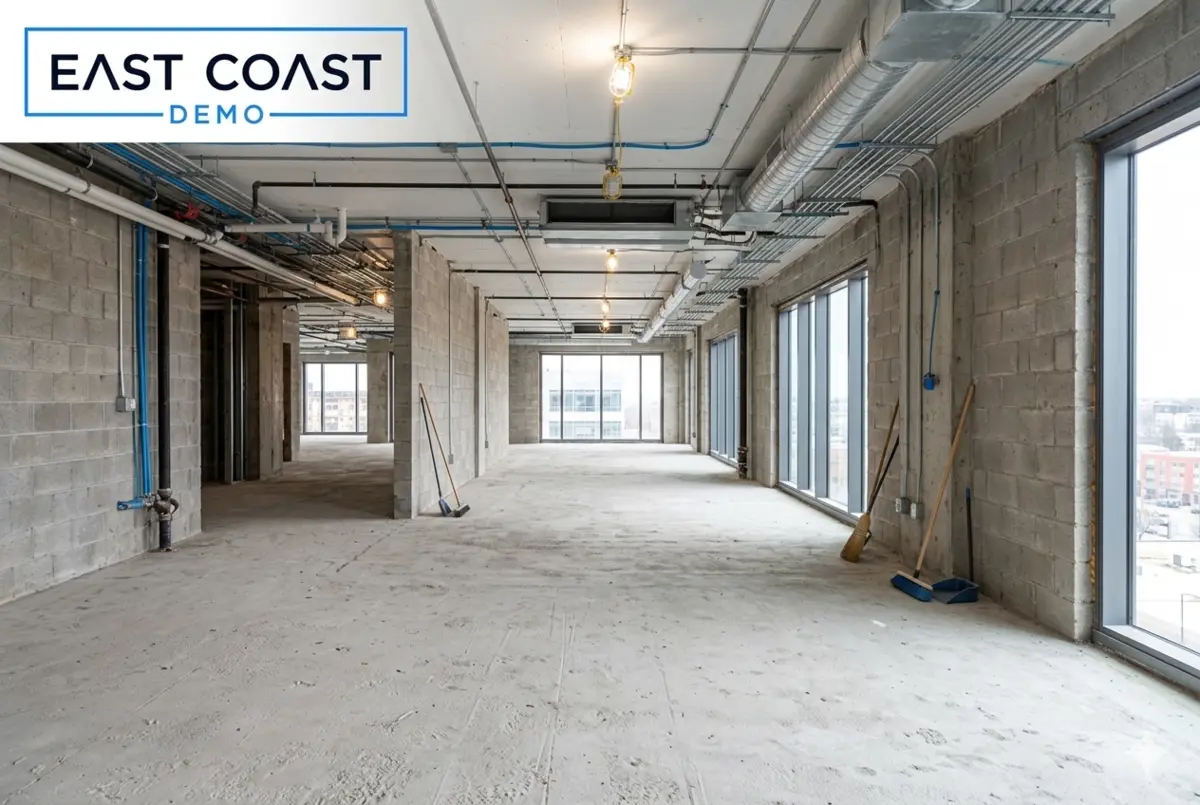
The primary goal of hiring strip out contractors is to prepare the site for the next phase. A clean, “bare-bones” site allows architects and builders to take precise measurements, reducing the risk of errors during the installation of new cabinetry or flooring.
Cost Savings through Detailed Quotes
When you request a quote for strip out demolition, ensure it is itemized. A professional team will break down the costs of labor, transport, and disposal. This transparency allows you to adjust the scope of work to fit your budget.
Factors Influencing the Quote
- Asbestos Presence: Requires specialized handling and higher costs.
- Access: Is the property on the 20th floor or the ground floor?
- Timeline: Do you need the work done overnight or during weekends?
Choosing the Right Strip out contractors in Sydney
Experience and Reputation
Look for a company with a proven track record in both commercial strip out and residential projects. Check online reviews and ask for case studies of previous work in the Sydney area. A reputable contractor will be happy to provide references.
Equipment and Technology
The best strip out contractors invest in the latest tools, from dust extraction systems to electric-powered demo saws. This technology ensures the job is done faster, cleaner, and with less noise something your neighbors will definitely appreciate.
Conclusion
In the competitive Sydney property market, efficiency and cost-control are the keys to a successful renovation. Choosing professional strip out contractors over full-scale demolition allows you to preserve the value of your existing structure while significantly lowering your waste disposal and labor expenses. By focusing on a precise internal strip out, you mitigate the risks of structural damage and ensure a faster transition from a dated space to a modern masterpiece. Whether you are managing a high-rise office strip out or a suburban home update, the strategic removal of interiors remains the smartest way to manage your renovation budget.
If you are ready to start your next project with precision and professional care, don’t leave the heavy lifting to amateurs. Our team of experts is ready to help you clear the way for your new vision. Contact Our Licensed Stripout Contractors today for an obligation-free quote and site assessment.
Frequently Asked Questions
What is the difference between a strip out and a demolition?
A strip out involves removing internal non-structural elements like walls and floors while keeping the building shell. A demolition is the complete destruction of the entire building structure.
How long does a typical office strip out take in Sydney?
Depending on the size of the space, a standard office strip out usually takes between 3 to 10 business days. Factors like building access and the volume of furniture affect the timeline.
Do I need council approval for an internal strip out?
In many cases, an internal strip out does not require a full Development Application (DA) if the work is non-structural. However, it is always best to check with your local Sydney council or a private certifier.
How do strip out contractors handle hazardous materials like asbestos?
Licensed contractors must follow strict NSW EPA and SafeWork guidelines. If asbestos is found, it must be removed by a licensed friable or non-friable asbestos removalist before general work continues.
Can I live in my home during a residential strip out?
It is generally not recommended due to noise, dust, and the disconnection of essential services like water and electricity. Most residential strip out projects are completed more quickly when the site is vacant.
What happens to the waste generated during a commercial strip out?
The waste is sorted into categories like metal, timber, and masonry. Professional contractors transport these to specialized recycling facilities in Sydney to minimize the environmental impact and reduce landfill fees.