

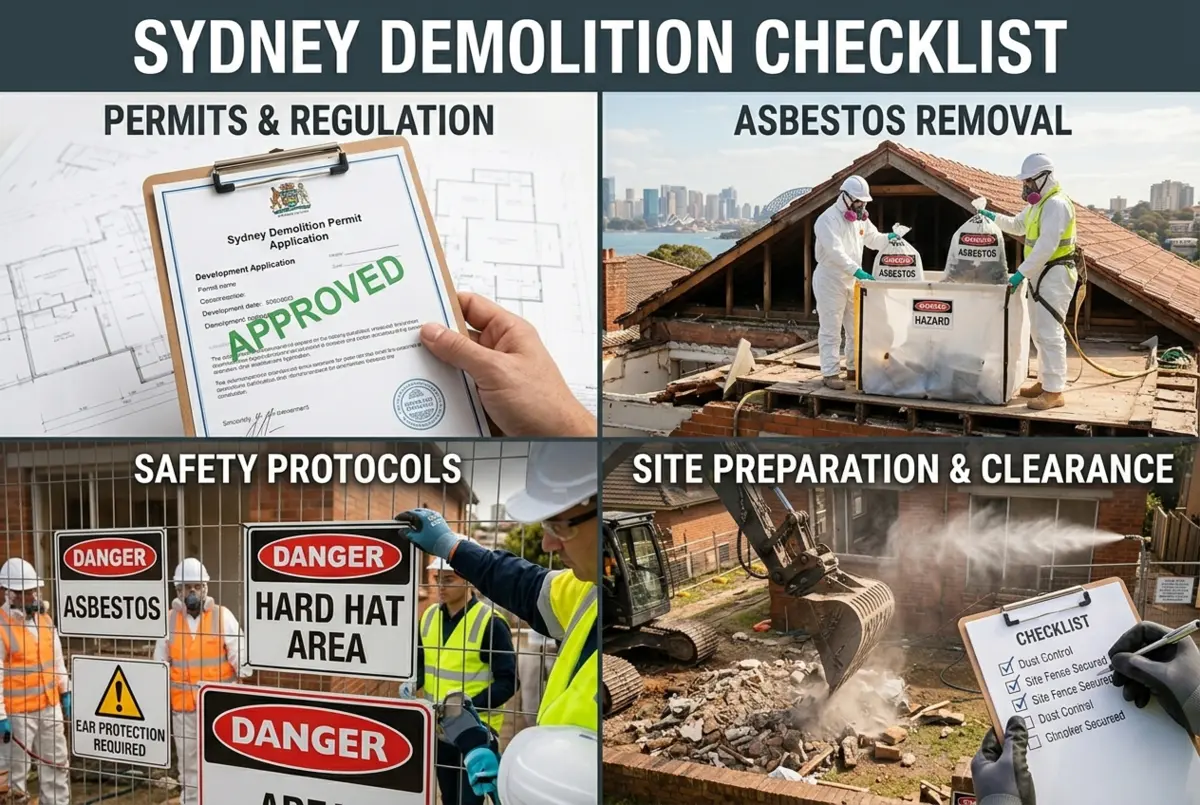
Demolition looks dramatic from the outside. A machine rolls in. Dust lifts into the air. Walls disappear before lunch. Simple, right? Not quite. Behind every clean and controlled teardown sits a detailed Demolition Checklist that keeps the entire process legal, safe, and surprisingly organised.
Sydney properties come with layers of regulations, ageing building materials, council approvals, neighbour concerns, and safety risks. One missing permit or skipped asbestos inspection can stop a project overnight. Sometimes longer. And nobody enjoys staring at half-demolished brickwork while council paperwork crawls through inboxes.
That is why a proper demolition checklist Sydney property owners can trust matters so much. A structured plan avoids delays, protects workers, keeps surrounding homes safe, and prevents expensive mistakes, especially in older suburbs where asbestos likes to hide inside walls like an unwanted house guest from 1978.
Modern demolition is less about smashing things and more about planning them carefully. A complete house demolition checklist now includes environmental checks, utility disconnections, waste management, and detailed site inspections before a single machine arrives.
Permit approvals rarely match planned timelines on-site
Permits look easy on paper until they suddenly aren’t. Your Demolition Checklist and timeline might seem predictable-just submit and wait-but in the real world, approvals stall or come back with weird conditions you didn’t see coming. That gap between the plan and reality is usually where the project starts to wobble.
A recurring issue shows up when teams assume approval equals readiness. It doesn’t. Conditions tied to approvals often require follow-up actions found in a demolition preparation checklist, such as traffic control, environmental measures, and even neighbour communication, that push the real start date further out. These aren’t technicalities; they’re operational tasks that take time and coordination.
The cost side rarely gets discussed early enough. Idle crews, rescheduled machinery, and shifting contractor availability all add up quietly. It’s not dramatic, but it’s persistent. A buffer in planning and a solid Demolition Checklist help, though even that isn’t perfect. Permits don’t follow neat timelines, and pretending they do usually shows up later as avoidable pressure.
Hidden asbestos still disrupts prepared demolition plans
Despite all the awareness, asbestos continues to show up where it’s least convenient. It’s often assumed that inspections using a Demolition Checklist catch everything, but that’s rarely the case. Older properties especially tend to hold surprises in areas that aren’t immediately visible or accessible.
The issue isn’t just discovery; it’s timing. Finding asbestos mid-process-often due to a missed step in the demolition permit checklist NSW-halts everything. Crews step back, specialists come in, and the entire sequence shifts. What was meant to be a continuous workflow turns into stop-start progress. That interruption alone can stretch a schedule significantly.
There’s also a subtle budgeting oversight tied to this. Even when allowances are made, they’re often based on ideal scenarios. Real-world removal involves coordination, certification, and disposal logistics that don’t always align neatly with a Demolition Checklist. The result is not just an added cost but a shift in how the entire job flows from that point onward.
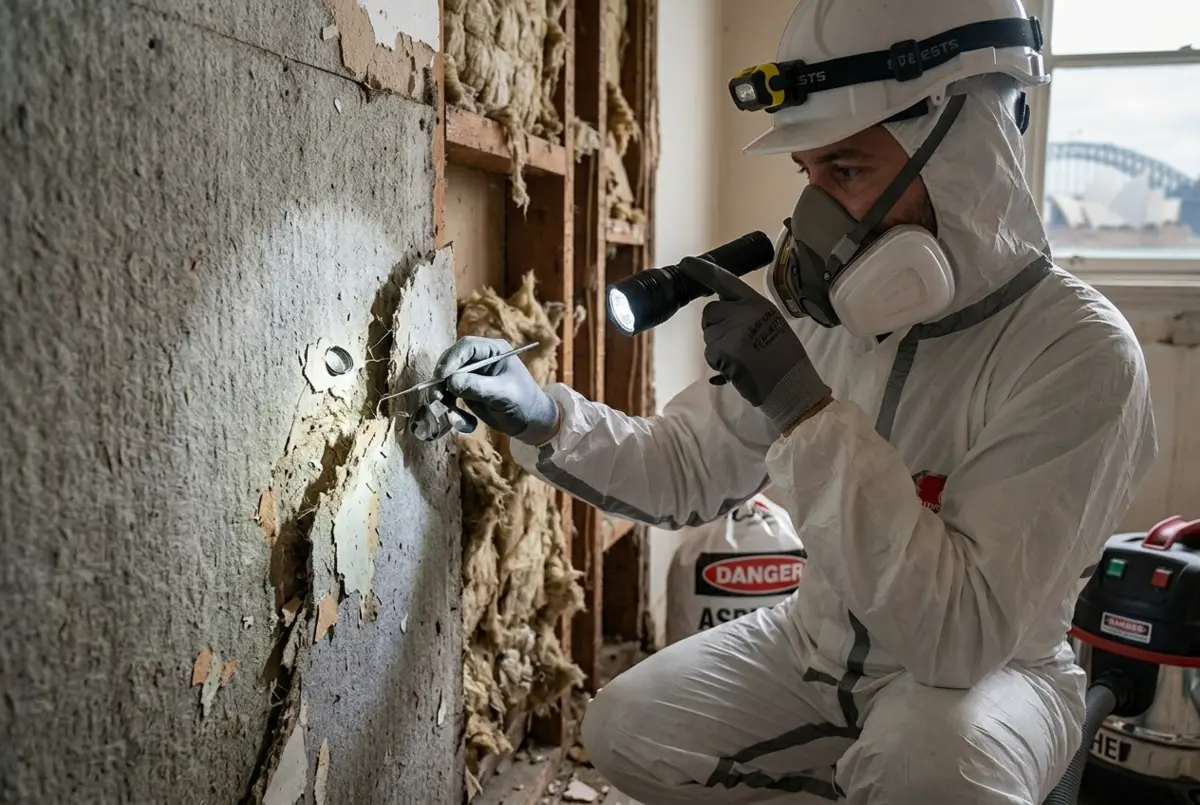 Safety procedures often drift under real site pressure
Safety plans look solid in documents. They’re detailed, structured, and aligned with regulations. But out on site during residential demolition, especially during long days or tight deadlines, those plans tend to loosen slightly. Not dramatically, but enough to matter over time.
It usually starts with small adjustments. A barrier gets moved for convenience. A check is skipped because “it was fine yesterday.” These decisions don’t feel risky in the moment. They feel efficient. But they stack. And once that pattern sets in, it becomes harder to pull things back to the original standard defined in the Demolition Checklist.
What doesn’t get enough attention is how these drifts in demolition safety affect productivity. Minor incidents, near misses, or even just rework slow things down. Not immediately, but consistently. A practical approach to safety isn’t about stricter rules; it’s about making those rules workable under real conditions, which often requires adjusting how work is sequenced.
Site access issues quietly delay demolition progress
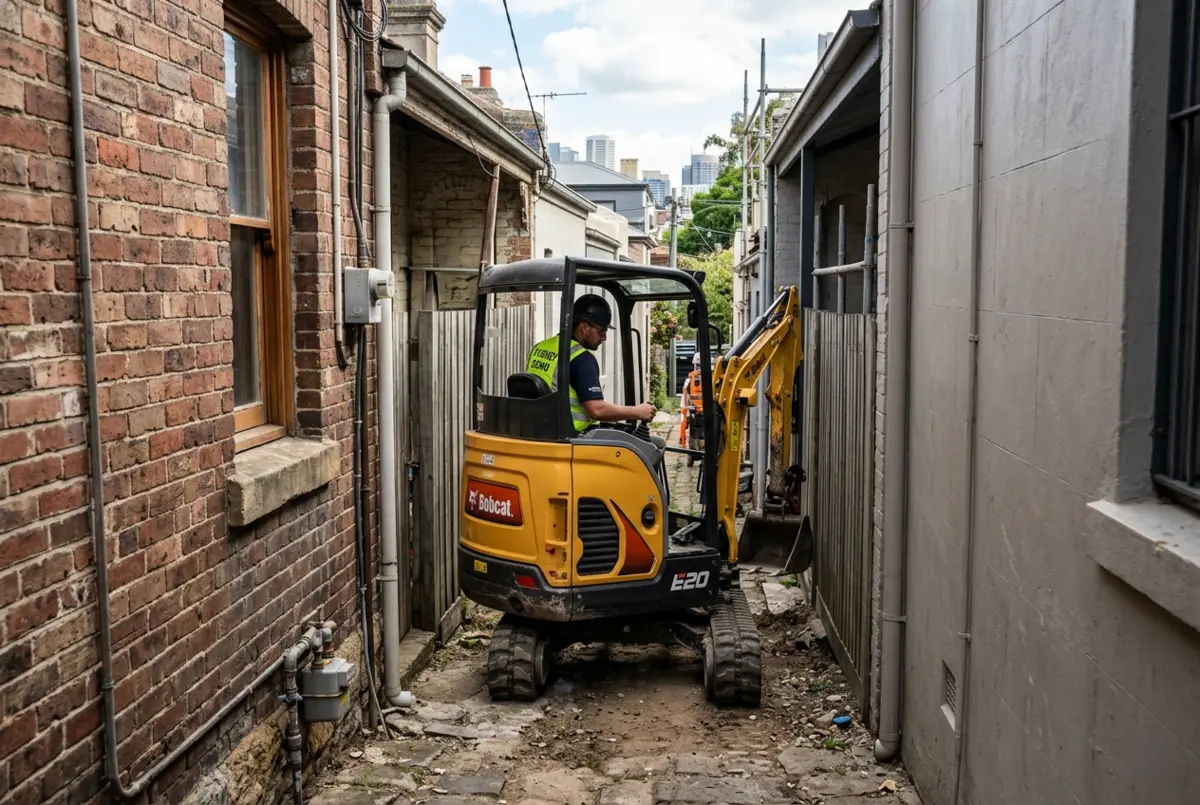
Access tends to be underestimated early on. Plans assume smooth entry and movement, but actual sites rarely cooperate. Narrow streets, parked vehicles, uneven ground – these factors don’t seem major until machinery arrives and struggles to operate efficiently as per the Demolition Checklist.
Once access becomes an issue, everything slows. Trucks take longer to load and leave. Equipment positioning becomes awkward. Even simple tasks stretch out. It’s not dramatic enough to halt work, but it chips away at productivity hour by hour.
Most people treat access as an afterthought, fixing issues only when they get in the way. These mid-project “quick fixes” almost always cost more than if you’d just mapped it out on day one using a Demolition Checklist. It’s one of those things that feels low-priority until it becomes a massive, expensive bottleneck.
 Equipment choices shape efficiency more than expected
Machinery selection is often treated as a straightforward decision: match the tool to the job. But in practice, it’s more nuanced. The wrong equipment doesn’t always stop progress; it just makes everything slightly less efficient, which adds up over time, especially if it wasn’t properly accounted for in the Demolition Checklist.
Bringing in oversized gear can backfire, especially in tight Sydney lots where complying with NSW demolition approval guidelines is essential. It’s hard to move and raises the risk of accidentally hitting nearby structures. Conversely, going too small means your team is making double the passes, which just drags out the timeline.
What complicates this further is availability. The ideal equipment isn’t always accessible when needed, so substitutions are made. Those substitutions often come with trade-offs that aren’t fully considered at the time. It’s rarely a perfect match, and that mismatch-if not managed via a Demolition Checklist-tends to show up in longer work hours rather than obvious setbacks.
Waste handling costs rise without early planning effort
Waste management sits quietly in the background until it starts affecting budgets. Disposal fees, transport logistics, and sorting requirements all play a role, yet they’re often treated as secondary concerns during early planning stages when a Demolition Checklist isn’t strictly followed.
Mixed waste is a silent profit killer. If you don’t separate materials properly, stuff that could’ve been recycled gets tossed in with general waste, driving up your tipping fees. Usually, this isn’t laziness-it’s just a symptom of a rushed site and poor organisation.
There’s also the timing aspect. If waste removal isn’t aligned with demolition progress, sites become congested. That congestion slows down work and introduces safety concerns. It’s not just about where waste goes; it’s about when and how it moves, which requires more attention and a detailed Demolition Checklist than it usually gets.
Demolition Checklist breakdown during final inspections
The final stages of a project often reveal the weakest points in a Demolition Checklist. Items assumed complete sometimes fall short under inspection. It’s not that they were ignored; they just weren’t executed to the level required for approval.
Inspectors have a knack for spotting those tiny details that get missed when the site is busy. A bit of leftover debris, a missing bit of paperwork, or a small safety slip-up can force a total rework. On their own, they’re minor-but together, they stall the whole job and show exactly why a tight Demolition Checklist is so vital.
There’s also a subtle pattern here. Projects that struggle during final inspections often had small inconsistencies earlier on. Those inconsistencies don’t disappear; they accumulate. Tightening execution towards the end helps, but it doesn’t fully compensate for earlier gaps.
Property type changes approach more than expected.
Not all sites are built the same, but the planning phase often ignores that. A strategy that works perfectly for a standalone house might fail miserably on a tight, complex lot. This is exactly where a tailored, site-specific Demolition Checklist becomes your most essential tool.
Working in residential zones is a different beast. Noise, dust, and work hours are under a microscope. Neighbour complaints aren’t just an annoyance; they can actually halt your progress. If you ignore the social side of the site and fail to include community mitigation steps in your Demolition Checklist, expect a lot of avoidable interruptions.
Complex properties need more than a generic plan. When you’re dealing with shared walls or partial knock-downs, the coordination layers get thick. A standard “one-size-fits-all” approach won’t cut it-you have to adapt the plan early to keep the friction low. Adjustments need to be made, often earlier than expected, to keep things moving without unnecessary friction.
Utility disconnections create unexpected on-site delays.
Service disconnections look procedural, almost boring on paper, yet they’re one of the most frequent causes of last-minute disruption. Power, water, and gas each have their own authority, their own timeline, and their own version of “confirmed”. A document saying services are disconnected doesn’t always match what’s actually running underground.
There have been sites where excavation paused because a supposedly inactive line still carried flow. Not a major hazard in that moment, but enough to stop work until it was verified according to the Demolition Checklist. For those providing professional demolition services in Sydney, that pause isn’t just a technical inconvenience; it throws off sequencing, delays machinery usage, and creates a backlog of tasks waiting for clearance.
. That pause isn’t just a technical inconvenience; it throws off sequencing, delays machinery usage, and creates a backlog of tasks waiting for clearance.
What makes it tricky is that early confirmation often gets taken at face value. Cross-checking feels redundant until it isn’t. Projects that utilise a Demolition Checklist to double-verify tend to move more slowly at the beginning, but avoid those frustrating mid-project halts that are harder to recover from.
Neighbour impact complaints slow demolition momentum
Neighbour interaction rarely appears as a formal line item, but it shapes how smoothly work progresses. Noise, dust, and vibration aren’t just environmental factors; they’re triggers for complaints that can escalate quickly, especially in tightly packed residential zones.
Once complaints start, attention shifts. Extra inspections, adjusted working hours, or even temporary stoppages come into play. None of these was in the original schedule or Demolition Checklist, yet they began influencing daily decisions on site. Productivity doesn’t collapse, but it becomes uneven and harder to predict.
Ignoring this aspect early tends to cost more later. Simple measures like clearer communication, better dust control, or prioritising asbestos removal and inspection in Sydney might seem like optional extras, yet they often prevent interruptions that are far more expensive than the measures themselves.
Core Permits Required
| Permit Type | Purpose |
| Development Approval (DA) | Council approval for demolition |
| Complying Development Certificate (CDC) | Faster approval for eligible projects |
| Asbestos Removal Permit | Required if asbestos is present |
| Road Occupancy Permit | Needed if equipment blocks public space |
Sequencing mistakes increase time and labour costs
Demolition isn’t just about breaking structures; it’s about the order in which things are removed. Sequencing mistakes don’t always look like mistakes at first. Work progresses, and materials come down, but inefficiencies start to show as crews revisit areas or adjust methods mid-process, often because the Demolition Checklist wasn’t used to prioritise the workflow.
One common issue is starting heavy demolition before proper stripping is complete. It feels faster initially but leads to mixed waste, harder material handling, and slower sorting later-a complication that highlights why thorough site excavation and preparation services are vital. That shift increases labour effort in ways that weren’t planned.
There’s also the domino effect. A small sequencing error early on can influence multiple downstream tasks. It doesn’t stop the job, but it creates a pattern of minor inefficiencies that stretch timelines. Adjusting sequencing mid-project is possible, but it rarely recovers all the lost time.
Site Preparation: Setting the Stage Properly
Before machines arrive, the site needs preparation. This phase often gets underestimated.
Essential Site Prep Steps
- Disconnect utilities (gas, water, electricity)
- Remove hazardous materials
- Clear surrounding structures if needed
- Install temporary fencing
For detailed compliance insights, refer to this official resource:
Contractor coordination issues affect site productivity
Having multiple crews on one site can be great or a total mess. Every team has their own agenda, and without a clear lead, they either step on each other’s toes or sit around waiting for someone else to finish their bit.
Mismatched expectations are the most common momentum-killers. One crew thinks an area is ready for them, only to find the previous team left gaps that need fixing. It’s not a huge fight, just a bunch of small delays that frustrate everyone on-site.
Better coordination doesn’t mean more meetings-it means clearer sequences. Projects that nail down who is responsible for what early on tend to glide through, while those relying on “figuring it out as we go” usually hit constant, avoidable roadblocks.
Salvage opportunities are often missed during demolition.
In the rush to clear a lot, valuable salvageable materials often get trashed. Timber, old fixtures, and metals still have worth, but they end up in the skip because sorting them feels like too much work in the heat of a demo.
It usually comes down to time. Sorting on-site for demolition site preparation Sydney feels like it’s slowing you down, and when the clock is ticking, speed is king. But that’s a bad trade; the cash you get back from salvage can seriously offset those high disposal costs.
There’s also a coordination aspect. Salvage requires planning, knowing what to extract, when to remove it, and where it goes. Without that structure, opportunities slip by. It’s not about turning demolition into recycling but recognising that some value gets lost simply because it wasn’t considered early enough.
Conclusion
Demolition may seem straightforward, but it demands careful planning, compliance, and safety at every stage. From permits to inspections and site preparation, a structured checklist helps avoid delays, reduce risks, and keep the project running smoothly from start to finish.
For residential demolition, working with experienced professionals ensures everything is handled correctly, including safety regulations and site clearance. A reliable approach saves time, cost, and stress- contact us today to get started the right way.
Frequently Asked Questions
1. What does a demolition checklist Sydney include?
A solid demolition checklist Sydney has to cover the big four: your permits, that mandatory asbestos inspection before demolition, strict safety protocols, and a waste plan that actually keeps you on the right side of the law.
2. Is an asbestos survey required before demolition?
There’s no way around it-an asbestos inspection before demolition is a non-negotiable legal requirement here. With so many older homes in Sydney, catching those hazards early is the only way to guarantee a safe and fully compliant removal.
3. How long does it take to get demolition permits in NSW?
Permit times are always a bit of a moving target. Usually, working through a demolition permit checklist in NSW takes a few weeks, but it really depends on your local council and just how messy the knock-down is going to be.
4. What does demolition site preparation in Sydney include?
Proper demolition site preparation in Sydney is all about the basics: cutting off utilities, clearing the lot of hazards, putting up security fencing, and making sure the big rigs can actually get in.
5. What safety precautions are to be taken in demolition works?
Staying safe on a demo site means the right PPE, secure fencing, and active dust control. You also need a plan for noise management and emergencies to protect the crew and the neighbours.
6. How to select the right demolition contractor?
Find a licensed pro who knows the ropes of residential work. You want someone with full insurance and a solid history of managing a demolition checklist in Sydney from start to finish.