

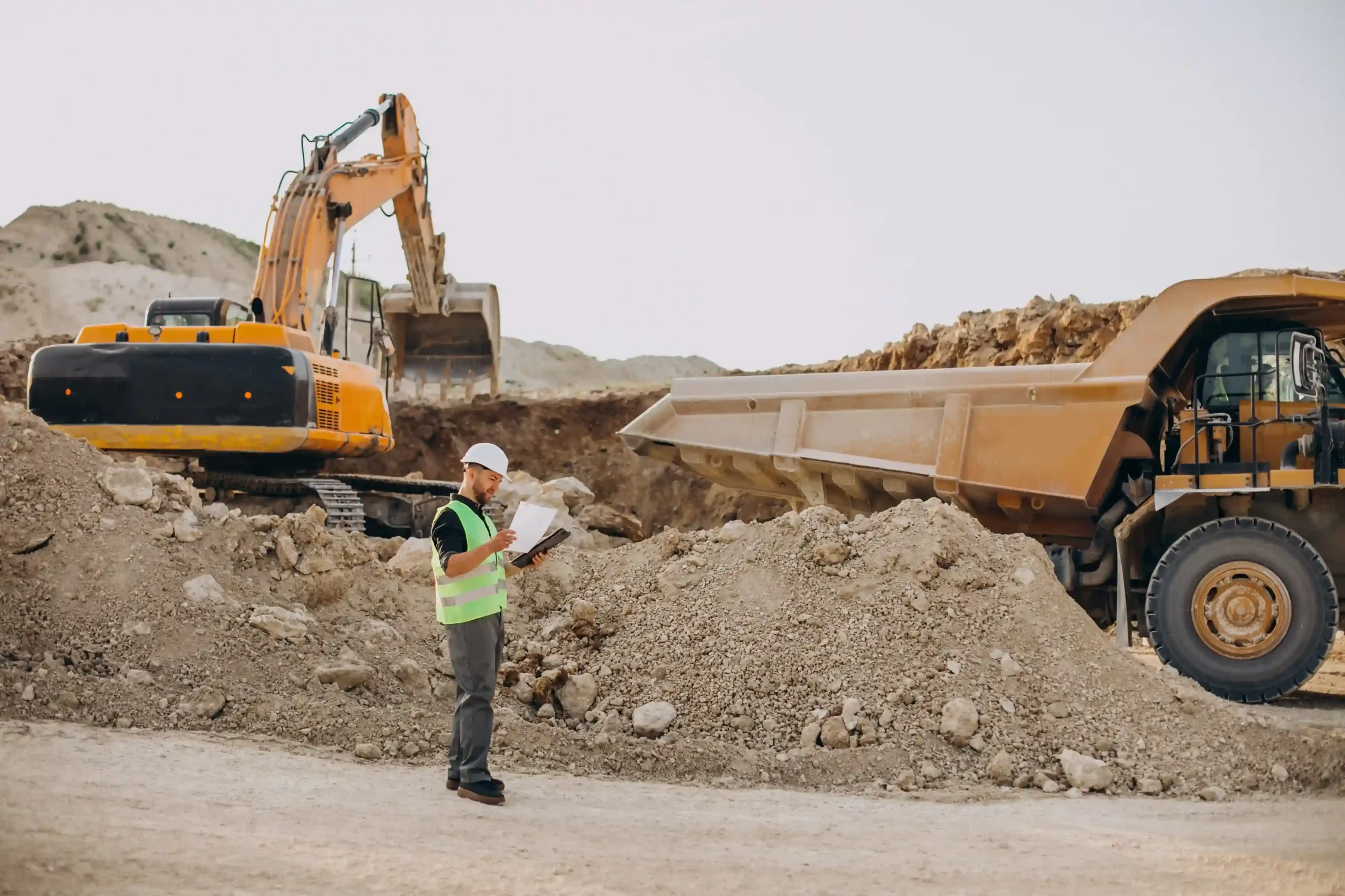
Excavation is a critical part of any construction project. Understanding what is excavation in construction helps homeowners, builders, and project managers plan accurately and ensure safety. In 2026, excavation refers to the process of removing soil, rock, or other materials from a site to prepare for foundations, basements, utilities, or landscaping.
Excavation is not just digging; it involves careful planning, machinery, and compliance with Australian building codes to protect workers, property, and the environment. Hiring a licensed company like East Coast Demo ensures the work is done safely, efficiently, and in line with local regulations.
Why Excavation Matters in Construction
Excavation forms the basis of structural integrity. Without proper excavation:
- Foundations may settle unevenly
- Basements or underground structures could face flooding or collapse
- Utility installations like stormwater or sewer systems may be compromised
Understanding what is excavation in construction helps you budget, schedule, and plan for safety precautions, machinery, and waste management.
Types of Excavation in Construction
There are several types of excavation, each serving different purposes:
- Trench Excavation
Narrow channels dug for utilities such as water, sewer, or electrical lines. - Basement Excavation
Large-scale digging for underground floors or car parks. - Site Grading or Bulk Excavation
Leveling or reshaping a site to prepare for construction. - Potholing or Vacuum Excavation
Exposing underground utilities without causing damage, often used in urban areas. - Cut and Fill Excavation
Removing soil from high areas (cut) and using it to fill low areas, balancing the site naturally.
Methods of Excavation
Excavation can be performed using different methods depending on project size and site conditions:
- Manual Excavation: Using shovels, picks, and hand tools for small or delicate projects.
- Mechanical Excavation: Employing excavators, bobcats, or backhoes for larger areas.
- Hydraulic Excavation: Using water to loosen soil, often for soft ground or precise work.
The chosen method impacts the project’s speed, cost, and safety requirements.
Factors Affecting Excavation Costs
Costs vary depending on site conditions, scope, and material:
- Size and Depth: Larger or deeper excavations require more labour and machinery.
- Soil Type: Rocky or compacted soil is more difficult to remove than sand or clay.
- Access and Site Conditions: Narrow sites or urban areas may need specialised equipment.
- Water Management: Wet or flood-prone sites require drainage or pumping solutions.
- Hazardous Materials: Soil contamination or underground utilities add cost due to safety measures.
Typical residential excavation projects in 2026 cost from $5,000 for small foundations up to $25,000+ for basements or complex urban sites.
Step-by-Step Excavation Process
A professional excavation project typically follows these steps:
- Site Assessment
Surveying, soil testing, and utility location to plan the excavation. - Planning & Permits
Ensuring compliance with local council and Australian standards. - Marking and Protection
Marking boundaries, protecting neighbouring properties, and installing safety barriers. - Excavation
Using manual or mechanical methods to remove soil and rock. - Shoring and Support
Installing temporary supports in trenches or deep excavations to prevent collapses. - Waste Removal & Recycling
Transporting excess material to landfill or recycling facilities, where appropriate. - Site Preparation
Final grading, compaction, and readiness for foundations or underground works.
Benefits of Professional Excavation
Engaging a licensed contractor like East Coast Demo offers multiple advantages:
- Safety Compliance: Reducing the risk of accidents or damage to property and utilities.
- Efficiency: Access to the right machinery speeds up excavation.
- Accuracy: Ensures precise grading, depth, and slopes for foundations or basements.
- Environmental Protection: Correct disposal and minimal disturbance to surrounding areas.
Common Mistakes to Avoid During Excavation
- Not identifying underground utilities before digging
- Ignoring soil testing and compaction requirements
- Using unlicensed or inexperienced labour for hazardous work
- Failing to obtain necessary permits or comply with regulations
These mistakes can result in project delays, fines, or structural problems later on.
When to Call a Professional
Excavation can be dangerous if not done correctly. You should contact East Coast Demo if:
- The project involves deep or complex excavation for foundations, basements, or underground services
- The site has limited access, uneven terrain, or water management issues
- You require safe removal of soil with potential hazardous content
- You want compliance with Australian building standards and council regulations
Professional contractors bring the expertise, equipment, and safety knowledge necessary to complete excavation projects efficiently and legally.
Additional Tips for Excavation Projects
- Plan for drainage and water management before digging
- Mark boundaries clearly to avoid encroaching on neighbouring properties
- Consider the environmental impact and recycling options for removed material
- Schedule machinery and labour in advance to avoid delays
Conclusion
Understanding what is excavation in construction is essential for safe, efficient, and compliant building projects. Excavation is more than just digging — it includes planning, machinery use, safety compliance, and waste management.
For reliable, professional excavation services in Australia, contact East Coast Demo. Their experience ensures your project is completed safely, on time, and in line with all regulations in 2026.
Frequently Asked Questions (FAQ)
- What is excavation in construction?
Excavation is the process of removing soil, rock, or other materials to prepare a site for foundations, basements, utilities, or landscaping. - What types of excavation are commonly used?
Common types include trench excavation, basement excavation, site grading, potholing, and cut-and-fill excavation. - Do I need a licensed contractor for excavation?
Yes, professional contractors ensure safety, compliance, and efficiency, particularly for deep or complex projects. - How much does excavation typically cost?
Costs vary depending on size, depth, and site conditions, ranging from $5,000 for small residential projects to $25,000 or more for large basements or urban sites.