

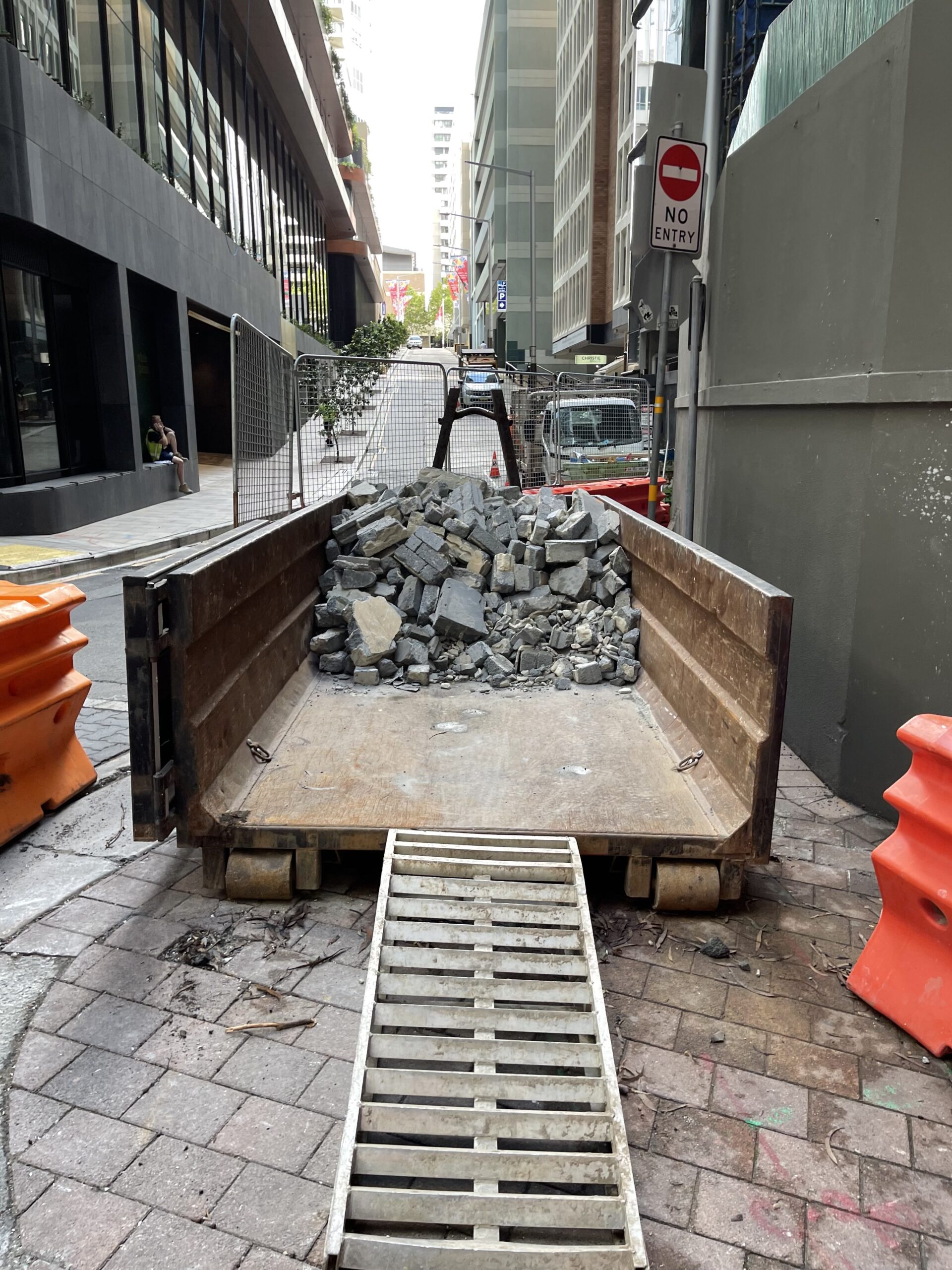
If you’re planning renovations or site modifications, understanding what is partial demolition is essential. In 2026, partial demolition refers to carefully removing only certain parts of a structure rather than demolishing the entire building. This approach allows for targeted upgrades, extensions, or repairs while preserving useful structures.
Unlike full demolition, which clears an entire site, partial demolition focuses on selective removal. This distinction helps property owners control costs, reduce waste, and retain structural elements that are still in good condition.
Why Partial Demolition Is Important
Partial demolition is often chosen for projects where only part of a building needs change or repair. It may involve removing internal walls, sections of roofs, concrete slabs, or extensions while leaving the main structure intact.
Knowing what is partial demolition and how it works helps homeowners and contractors plan renovations safely and efficiently. The benefits include:
- Lower costs compared to full demolition
- Reduced disruption to the surrounding property
- Preservation of valuable materials for reuse or recycling
- Compliance with Australian building codes and safety regulations
Partial vs Full Demolition: Key Differences
Understanding the distinction is crucial when budgeting and planning.
| Feature | Partial Demolition | Full Demolition |
|---|---|---|
| Scope | Only selected parts removed | Entire structure removed |
| Cost | Typically lower, depending on complexity | Generally higher due to total removal and waste |
| Waste | Less debris, easier recycling | More debris, requires full disposal |
| Timeframe | Can be faster if access is good | Often longer due to scale and safety protocols |
| Permits | May require targeted permits | Full demolition permit usually mandatory |
Partial demolition is ideal for renovations or extensions where the building’s main structure is sound. Full demolition is chosen when the structure is unsafe, obsolete, or you’re redeveloping the entire site.
Common Types of Partial Demolition
Partial demolition can take several forms depending on your project goals:
- Interior Strip-Outs
Removing internal walls, ceilings, or partitions to redesign spaces while keeping the exterior intact. - Structural Sections
Taking down a portion of a roof, garage, balcony, or old extension for replacement or expansion. - Concrete and Slab Removal
Targeted removal of driveways, slabs, or patios for new construction or landscaping. - Hazardous Material Removal
Carefully removing asbestos or lead materials from selected areas without disturbing the entire building.
Each type requires a specific approach, trained personnel, and compliance with Australian standards such as AS 2601-2001 for demolition work.
Factors Affecting Partial Demolition Costs
Several variables influence the cost of partial demolition in Australia:
- Size and complexity: The more intricate the structure or the higher the risk, the higher the cost.
- Material type: Concrete, brick, or asbestos removal adds expense compared to timber or lightweight walls.
- Access: Narrow sites or limited machinery access increase labour and equipment costs.
- Waste management: Even partial demolition produces debris that must be removed or recycled according to council rules.
- Permit requirements: Some partial demolitions require council approval, depending on local regulations.
On average, homeowners can expect partial demolition of smaller structures or interior elements to cost between $1,500 and $10,000, while larger structural sections may range $10,000 to $25,000.
Step-by-Step Process for Partial Demolition
East Coast Demo follows a clear, safe process for partial demolition:
- Site Inspection
Assess the structure, identify hazardous materials, and evaluate access. - Planning & Permits
Determine which parts can be removed, obtain necessary approvals, and plan for waste management. - Selective Removal
Carefully dismantle chosen areas using machinery and manual methods as required. - Waste Sorting & Recycling
Segregate recyclable materials, hazardous waste, and general debris for proper disposal. - Site Clean-Up
Ensure the remaining structure is safe, stable, and ready for the next phase of construction.
This process ensures compliance with Australian standards and minimises risk to workers and the property.
Advantages of Partial Demolition
Partial demolition has several benefits that make it a preferred choice for many projects:
- Cost Efficiency: Only the parts that need removal are addressed, reducing labour and disposal costs.
- Material Salvage: Timber, steel, bricks, and other materials can often be reused, saving money and resources.
- Minimised Disruption: Surrounding structures, landscaping, and neighbours experience less impact compared to full demolition.
- Faster Completion: Smaller, targeted removals are usually quicker than demolishing the entire building.
When to Choose Full Demolition Instead
Despite its benefits, partial demolition isn’t always suitable. Full demolition is necessary when:
- The building is structurally unsound or unsafe
- Extensive asbestos or hazardous materials are present
- You’re planning a complete rebuild or redevelopment
- Retaining parts of the structure is impractical or cost-prohibitive
Choosing the correct approach depends on your goals, budget, and site conditions. Consulting a professional like East Coast Demo ensures the right method is selected.
When to Call a Professional
Knowing when to hire a licensed demolition contractor is essential. Contact East Coast Demo in Australia if:
- You need selective removal of structural elements
- Hazardous materials like asbestos are involved
- Permits and council compliance are required
- You want safe, insured, and professional service
Professionals bring experience, equipment, and compliance knowledge that reduce risk, prevent damage, and save time.
Conclusion
Understanding what is partial demolition helps you make informed decisions about renovations, extensions, or site modifications. Partial demolition focuses on removing specific areas of a structure, offering cost savings, material reuse, and reduced disruption compared to full demolition.
For safe, compliant, and precise partial demolition in Australia, contact East Coast Demo today. Their expertise ensures your project is completed efficiently, legally, and with minimal surprises, giving you clarity on your next construction steps.
Frequently Asked Questions (FAQ)
- What is partial demolition?
Partial demolition is the selective removal of certain parts of a building rather than the entire structure. - How does partial demolition differ from full demolition?
Partial demolition targets specific areas, preserving usable structures. Full demolition removes the entire building, often for redevelopment. - Do I need a permit for partial demolition?
Yes, depending on local council regulations and the scope of the work. A licensed professional can assist. - Can materials from partial demolition be reused?
Yes, timber, bricks, concrete, and steel can often be salvaged and recycled, reducing costs and environmental impact.