

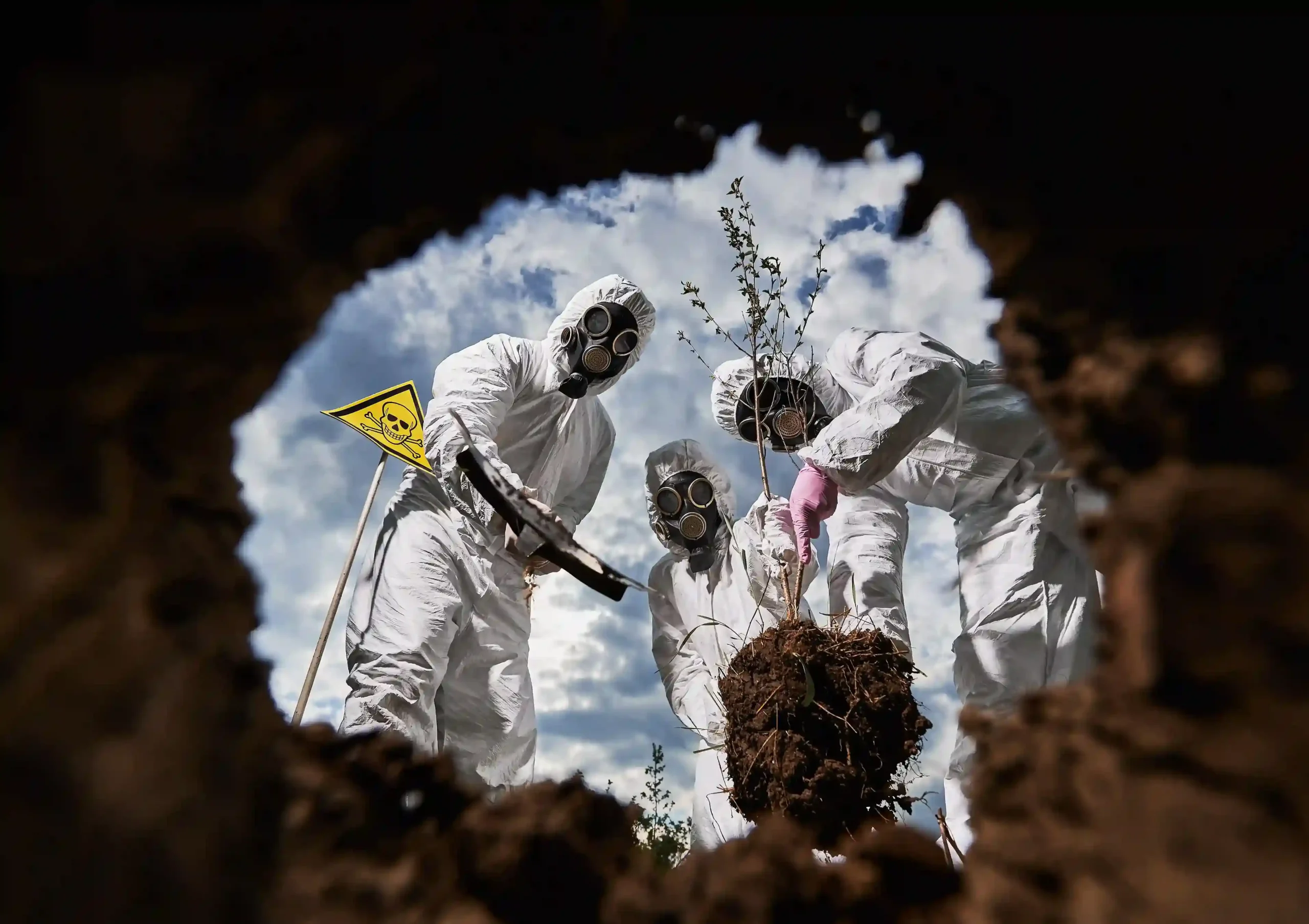
When it comes to maintaining the structural integrity and safety of older properties in New South Wales, Asbestos Removal Sydney is a topic that homeowners and commercial developers cannot afford to ignore. Asbestos was a staple in Australian construction for decades, prized for its durability and fire resistance. However, the health risks associated with loose asbestos fibres are now well-documented, making professional intervention essential. Whether you are planning a minor bathroom renovation or a major industrial demolition, understanding the nuances of Asbestos Removal Sydney ensures your project remains compliant with strict state safety regulations. For those preparing for larger structural work, exploring House Demolition in Sydney can also provide valuable insights. This guide offers a comprehensive look at the process from identification to safe disposal—helping you breathe easier in your living or working environment.
Understanding Asbestos in Sydney Properties
The History of Asbestos Use in NSW
Before the total ban in 2003, asbestos was used in over 3,000 different products. In Sydney, many homes built between 1940 and 1990 contain “fibro” sheets or insulation materials.
Why Professional Removal Matters
- Health Risks: Exposure to friable asbestos can lead to mesothelioma, lung cancer, and asbestosis.
- Legal Compliance: NSW SafeWork has strict guidelines on how much asbestos a non-licensed person can remove (usually limited to 10 square meters).
- Property Value: A certified asbestos-free clearance certificate can significantly boost your property’s market value.
Steps for Effective Asbestos Removal Sydney
Phase 1: Inspection and Testing
You cannot always identify asbestos by sight. A professional Asbestos Removal Sydney specialist will first take samples of suspected materials.
Common Areas to Check
- External Walls: Often made of asbestos cement cladding.
- Roofing: Corrugated asbestos sheets (Super Six).
- Flooring: Vinyl floor tiles and their adhesive backings.
- Fencing: Old boundary fences in older suburbs.
Phase 2: Choosing a Licensed Contractor
It is vital to hire a team with the correct “Class A” or “Class B” license.
Verification Checklist
- Check the NSW SafeWork license register.
- Ensure they have comprehensive public liability insurance.
- Ask for a detailed Quote for Asbestos Removal Sydney that includes disposal fees.
Phase 3: The Removal Process
The actual removal involves sealing the area, using specialized vacuum equipment, and wearing PPE.
Safety Protocols During Removal
- Wet Methods: Keeping the material damp to prevent dust.
- Double Bagging: Sealing waste in heavy-duty plastic bags marked “ASBESTOS.”
- Air Monitoring: Ensuring no fibers escape the work zone.
Costs and Regulations for Asbestos Removal Sydney
Factors Influencing the Price
The cost of Asbestos Removal Sydney varies based on several key factors. On average, residential jobs can range from $500 to $5,000 depending on complexity.
Pricing Breakdown
- Volume of Material: More square meters mean higher labour and disposal costs.
- Accessibility: Asbestos in crawl spaces or high roofs is harder to reach.
- Condition: Friable (crumbly) asbestos requires higher safety measures than non-friable sheets.
Legal Requirements in New South Wales
Sydney residents must follow the Work Health and Safety Regulation 2017. This includes notifying neighbours and providing a clearance certificate once the job is finished.
Environmental Impact and Disposal
Proper Waste Management
Asbestos Removal Sydney doesn’t end at the property line. The waste must be transported by licensed vehicles to specific landfills authorized to accept hazardous waste.
Sydney Landfill Sites
Not every tip accepts asbestos. Your contractor will handle the logistics of taking the waste to a facility that follows EPA (Environmental Protection Agency) standards.
Sustainability in the Industry
While asbestos cannot be recycled, modern Asbestos Removal Sydney practices emphasise reducing the carbon footprint of transportation and ensuring complete containment to safeguard surrounding ecosystems. For additional insights into sustainable waste-management standards, you can refer to resources like The Environmental Protection Agency , which outlines global guidelines for safe and eco-friendly hazardous material handling.
Residential vs. Commercial Asbestos Removal Sydney
Tailoring the Approach to the Environment
The strategies used for Asbestos Removal Sydney vary significantly depending on whether the site is a family home or a high-rise commercial office. While the health risks remain the same, the operational logistics and scale change the project’s scope.
Key Differences in Strategy
- Residential Projects: Usually involve “bonded” asbestos like garden sheds, eaves, or bathroom linings. The focus of Asbestos Removal Sydney in homes is minimizing disruption to the family and ensuring the backyard is safe for children.
- Commercial Projects: These often involve “friable” asbestos found in pipe insulation or fireproofing. These sites require extensive containment zones (negative pressure units) and often occur after hours to avoid affecting business operations.
The Role of Air Monitoring and Clearance Certificates
Ensuring Every Fiber is Gone
For many high-risk Asbestos Removal Sydney projects, visual inspection is not enough. Professional air monitoring provides scientific proof that the air you breathe is free from hazardous particles.
Why You Need an Independent Assessor
- Transparency: An independent licensed assessor (separate from the removal team) conducts the air testing.
- During Removal: Real-time monitoring ensures that the containment boundaries of the Asbestos Removal Sydney site are working effectively.
- The Clearance Certificate: Once the work is done, this legal document is issued to confirm the area is safe for re-occupation. Without this, you may face legal hurdles when selling your property.
Emergency Asbestos Removal Sydney: What to Do
Handling Accidental Disturbances
Sometimes, asbestos is discovered accidentally during a DIY renovation or exposed after a severe Sydney storm. In these high-stress moments, a rapid response for Asbestos Removal Sydney is essential to prevent fiber spread.
Immediate Action Steps
- Isolate the Area: Close doors and windows and turn off any air conditioning or fans.
- Do Not Vacuum: Never use a domestic vacuum cleaner on suspected asbestos dust; it will only spread the fibers into the air.
- Call a Professional: Contact a 24/7 Asbestos Removal Sydney service that can provide emergency stabilization and clean-up.
Encapsulation vs. Complete Removal
Making the Right Choice for Your Budget
In some specific cases, a specialist might suggest “encapsulating” the material rather than a full Asbestos Removal Sydney process. This involves sealing the asbestos with a specialized permanent coating to prevent fiber release.
Pros and Cons of Encapsulation
- Pros: It is often more affordable in the short term and causes less structural disturbance to the building.
- Cons: The asbestos remains on-site. This can complicate future renovations and must be recorded on an asbestos register for commercial properties.
- Verdict: While encapsulation is a valid temporary fix, complete Asbestos Removal Sydney is the only way to permanently eliminate the risk and maximize your property’s value.
Asbestos in Sydney’s Heritage and Older Suburbs
Protecting the Charm of Period Homes
Sydney is famous for its beautiful Victorian, Federation, and Californian Bungalow homes, particularly in the Inner West and Northern Suburbs. However, these historic properties often underwent renovations between the 1940s and 1980s, during which asbestos was frequently introduced. When performing Asbestos Removal Sydney on heritage-listed buildings, a specialized approach is required to protect the original architectural features.
Challenges of Heritage Removals
- Hidden Layers: Asbestos “fibro” sheets were often nailed directly over original timber weatherboards or used as a base for tiling in old “lean-to” kitchens.
- Lead Paint Contamination: Many older Sydney homes containing asbestos also feature lead-based paint. A professional Asbestos Removal Sydney team must manage both hazards simultaneously to prevent toxic dust from contaminating the soil.
- Council Restrictions: Certain heritage conservation areas have strict rules about the types of replacement materials used after the asbestos is removed to maintain the streetscape’s character.
How Asbestos Removal Impacts Your Property Value
Turning a Liability into a Selling Point
In the competitive Sydney real estate market, the presence of unmanaged asbestos can be a major deal-breaker. Buyers today are highly educated and often request a specific asbestos report alongside their standard building and pest inspections. Investing in professional Asbestos Removal Sydney is one of the most effective ways to preserve and even increase your home’s market value.
The Financial Benefits of Clearance
- Eliminating “Buyer’s Fear”: Properties with a history of professional Asbestos Removal Sydney and a valid clearance certificate sell faster because they remove the “unknown cost” factor for the buyer.
- Mortgage Approval: Some lenders are hesitant to approve high-LVR (Loan to Value Ratio) mortgages on properties with significant friable asbestos issues.
- Renovation Readiness: Marketing a home as “asbestos-free” appeals specifically to young families and “flippers” who want to start renovations immediately without the $5,000–$10,000 hidden cost of remediation.
Conclusion
Navigating the complexities of property maintenance requires a proactive approach to hazardous materials. Opting for professional Asbestos Removal Sydney is more than just a renovation step; it is a critical investment in the health of your family and the safety of your community. By following the 10 essential facts outlined in this guide—from early testing to legal disposal—you ensure that your project meets every safety benchmark. Remember, while DIY projects are popular in Australia, Asbestos Removal Sydney is one task that should always be left to the experts. If you suspect your home contains these legacy materials, act today to secure a cleaner, safer tomorrow for your property.
Frequently Asked Questions (FAQs)
1. Can I remove small amounts of asbestos myself in Sydney?
In NSW, you can remove up to 10 square meters of non-friable asbestos yourself, but it is highly discouraged. For safety and legal compliance, hiring a specialist for Asbestos Removal Sydney is the best way to prevent accidental fiber inhalation.
2. How long does the asbestos removal process typically take?
Most residential Asbestos Removal Sydney jobs, such as removing an old fence or bathroom wall, can be completed within 1 to 2 days. Larger commercial projects may take longer depending on the volume of material.
3. What is the difference between friable and non-friable asbestos?
Friable asbestos can be crumbled by hand, releasing dangerous dust easily, while non-friable (bonded) asbestos is mixed with cement. Both require professional Asbestos Removal Sydney to ensure no fibers are released during the demolition.
4. Will my neighbours be notified during the removal?
Yes, a professional Asbestos Removal Sydney team will typically place warning signs around the site and, in many cases, notify immediate neighbours as a courtesy and safety requirement.
5. How much does a clearance certificate cost in Sydney?
A clearance certificate, which proves the area is safe to re-occupy after Asbestos Removal Sydney, usually costs between $250 and $500. It must be issued by an independent licensed assessor.
6. Does home insurance cover the cost of asbestos removal?
Standard home insurance usually does not cover Asbestos Removal Sydney if the material is in good condition. However, if the asbestos is damaged during a storm or fire, you may be eligible for coverage under your policy’s debris removal clause.