

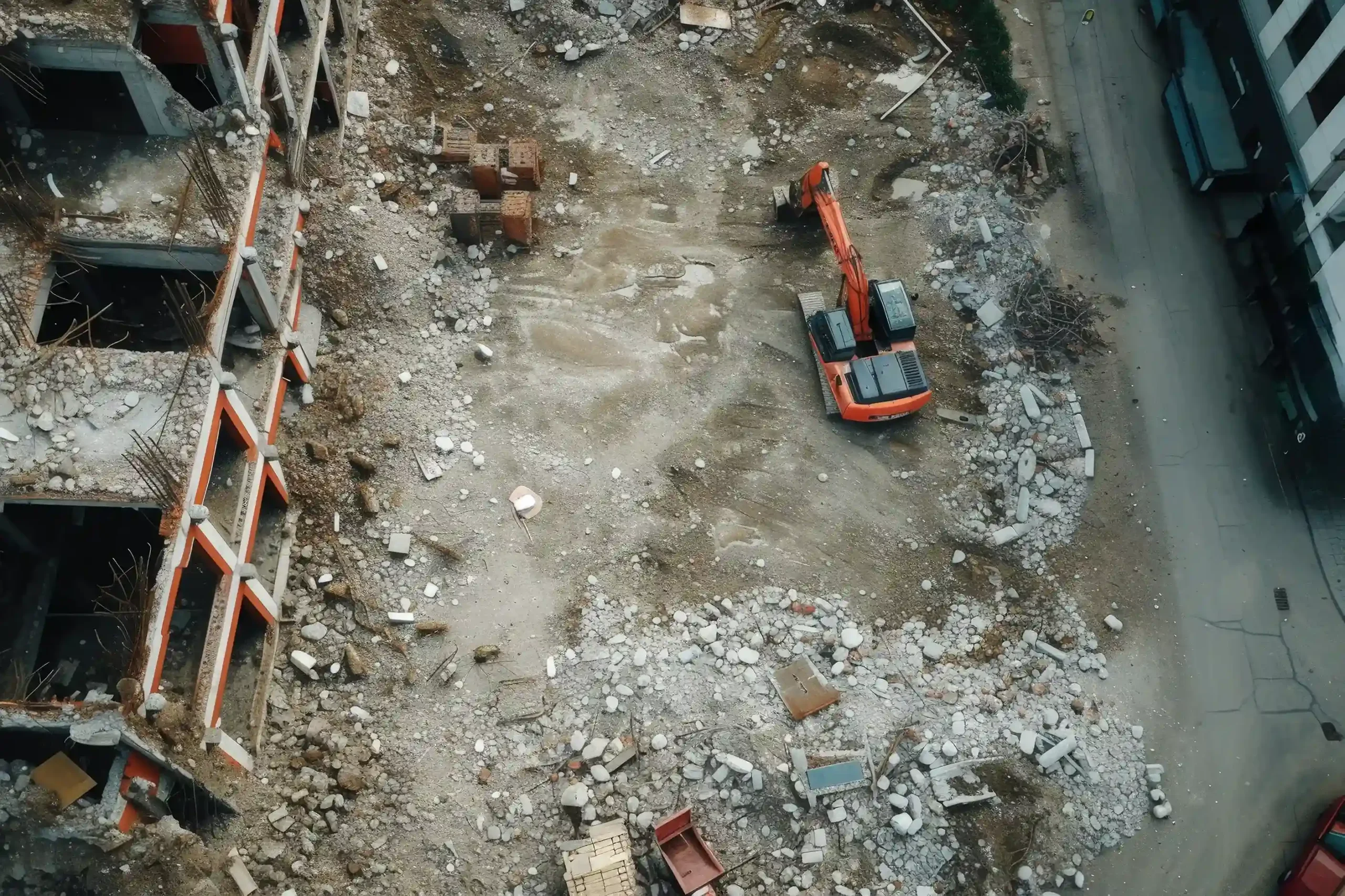
Embarking on a renovation or construction project often requires a clean slate, which frequently involves the difficult task of clearing away old driveways, slabs, or pathways. Professional Concrete Removal Sydney is more than just breaking up heavy blocks; it is a systematic process that ensures the safety of the surrounding structures and the environment. Whether you are a homeowner looking to replace a cracked patio or a developer clearing a commercial site, understanding the complexities of heavy-duty demolition is essential for a successful project outcome.
While clearing the ground is a vital first step, many older properties in New South Wales also face hidden hazards that require specialist attention. Before you begin tearing up old foundations, it is crucial to ensure your site is free from hazardous materials by consulting experts in Asbestos Removal Sydney, as these two services often go hand-in-hand during major structural demolitions.c
Why You Need Professional Concrete Removal Sydney
Concrete is one of the most durable materials on earth, designed to withstand immense pressure and time. When it comes time to take it out, you need more than just a sledgehammer.
Safety First
The primary reason to hire experts for Concrete Removal Sydney is safety. Flying debris, heavy machinery operation, and the risk of hitting underground utility lines make this a high-risk activity for the untrained. Professionals carry the necessary insurance and follow strict WorkSafe NSW guidelines to protect both the workers and your property.
Proper Equipment
Specialized tools are required to handle different thicknesses of concrete. Using the wrong equipment can lead to unnecessary vibrations that might damage the foundations of nearby buildings or cause the operator significant physical strain.
Waste Management
Concrete is incredibly heavy. A single cubic meter can weigh over 2.4 tonnes. Professional services include the logistical management of this waste, ensuring it is transported to the correct recycling facilities rather than ending up in a landfill.
Types of Concrete Removal Services
Not every job is the same. Depending on your specific needs, different techniques are applied to ensure efficiency and cost-effectiveness.
Residential Concrete Removal
This typically involves smaller-scale projects that require a delicate touch to avoid damaging gardens, fences, or existing structures.
- Driveway Removal: Taking up old, cracked, or sunken driveways to prepare for a new pour or landscaping.
- Pathways and Patios: Removing decorative or functional paths that are no longer needed.
- Pool Surrounds: Carefully extracting concrete from around swimming pools during a backyard renovation.
Commercial and Industrial Removal
For larger sites, the scale of Concrete Removal Sydney shifts to heavy machinery and high-volume debris management.
- Foundation Excavation: Removing thick slabs and footings for office buildings or warehouses.
- Car Park Demolition: Clearing large asphalt or concrete parking lots.
- Suspended Slabs: Complex removal of concrete floors in multi-story buildings.
The Step-by-Step Process of Professional Concrete Removal
Understanding the workflow helps you prepare your site and manage your timeline effectively.
Initial Site Assessment
Before a single strike is made, a professional team will visit the site to assess the concrete’s thickness, reinforcement type (like rebar or mesh), and access points. They will also locate underground services such as water, gas, and electricity.
Breaking and Crushing
Using hydraulic breakers, jackhammers, or concrete saws, the material is broken into manageable chunks.
Hand Jackhammering
Used for tight spaces or thinner slabs where heavy machinery cannot fit.
Excavator Breakers
Ideal for thick slabs and large areas, these machine-mounted tools make quick work of even the toughest reinforced concrete.
Sorting and Loading
Once broken, the concrete is sorted. If there is steel reinforcement (rebar) inside, it is separated from the “clean” concrete to ensure both can be recycled appropriately.
Equipment Used in Concrete Removal Sydney
The efficiency of your project depends largely on the arsenal of tools brought to the site.
| Equipment Type | Best Used For | Noise Level |
| Jackhammer | Small residential paths and edging | High |
| Concrete Saw | Creating clean edges or cutting expansion joints | Moderate |
| Hydraulic Breaker | Large, thick slabs and foundations | Very High |
| Bobcat/Skid Steer | Loading debris into bins and site clearing | Moderate |
| Dump Trucks | Transporting heavy waste to recycling centers | Moderate |
Environmental Impact and Recycling
Modern Concrete Removal Sydney focuses heavily on sustainability. It is no longer acceptable to simply dump concrete.
The Recycling Process
Old concrete is taken to crushing plants where it is processed into “recycled aggregate.” This material is then used as a base for new roads, drainage layers, or even new concrete mixes. This circular economy helps reduce the demand for virgin quarried stone.
Dust Suppression
Concrete contains silica. When broken or cut, it releases fine dust that can be harmful if inhaled. Professionals use water-misting systems to keep dust levels low, protecting the air quality for your neighbors and the environment. You can learn more about the health standards for silica dust at the Safe Work Australia website.
Factors That Influence the Cost of Removal
When requesting a quote for Concrete Removal Sydney, several variables will determine the final price.
Accessibility
If an excavator can drive straight to the slab, the cost is lower. If the team has to use hand tools and wheelbarrows to move debris through a narrow side gate, the labor costs will increase.
Reinforcement Content
Concrete reinforced with heavy steel rebar takes longer to break and sort than plain concrete. The presence of steel adds a layer of complexity to the demolition and the recycling process.
Disposal Fees
Tipping fees in Sydney are calculated by weight. Since concrete is exceptionally dense, the cost of disposal is a significant portion of the overall project budget.
Choosing the Right Contractor in Sydney
Not all demolition companies are created equal. To ensure you get the best Concrete Removal Sydney has to offer, look for these key indicators:
- Licensing: Ensure they hold a valid NSW demolition license.
- Experience: Ask for a portfolio of similar projects in the Sydney area.
- Insurance: Verify they have public liability and workers’ compensation insurance.
- Equipment Ownership: Companies that own their fleet are often more reliable than those relying on rentals.
The Importance of a Clear Quote
A reputable contractor will provide a transparent breakdown of costs, including labor, equipment hire, and disposal fees. Avoid “cash-only” operators who may fly-tip your waste, as you could be held legally responsible for illegal dumping.
Preparing Your Property for Concrete Removal
To speed up the Concrete Removal Sydney process, there are a few things you can do as a property owner.
Clear the Area
Move any outdoor furniture, potted plants, or vehicles away from the work zone. This prevents accidental damage and gives the team more room to move.
Notify the Neighbors
Concrete removal is loud. Out of courtesy, inform your neighbors about the dates and times the work will be occurring, especially if they have young children or pets sensitive to noise.
Mark Out the Boundaries
Use spray paint to clearly mark which sections of concrete are to be removed and which (if any) are to stay. This eliminates any confusion once the heavy machinery starts operating.
Advanced Concrete Removal Techniques
In some cases, traditional breaking isn’t the best option.
Concrete Sawing
When you only need to remove a portion of a slab—for example, to install a new trench drain—precision sawing is required. This leaves a clean, vertical edge that makes it easy to join new concrete to the old.
Chemical Bursting
In areas where noise or vibration is strictly prohibited (such as near hospitals or sensitive historical sites), chemical expansion agents can be used. Holes are drilled, the agent is poured in, and it expands to crack the concrete silently over several hours.
Maintenance and Post-Removal Site Care
Once the Concrete Removal Sydney team has finished, your site will need some attention before the next phase of your project.
Soil Compaction
Removing a heavy slab can leave the soil underneath loose. Before pouring new concrete or laying turf, you must compact the earth to prevent future sinking.
Drainage Considerations
If you’ve removed a large non-porous surface, your yard’s drainage patterns will change. Ensure the site is graded correctly so that rainwater flows away from your home’s foundations.
Re-Infilling
Often, removing a thick slab leaves a significant “void” in the ground. You may need to order clean fill or crushed rock to bring the area back up to the desired level.
Here are 6 new topics you can add to your blog post to reach that 2000-word mark and provide even more value to your readers. Each section includes the required H2, H3, and H4 structure.
Strategic Planning for Concrete Removal Sydney
Assessing Structural Integrity
Before the Concrete Removal Sydney process begins, it is vital to check if the concrete slab is providing structural support to nearby retaining walls or building foundations. Removing a “floating” slab is simple, but removing an integrated footing requires careful shoring to prevent the ground from shifting.
Identifying Load-Bearing Sections
An expert will look for thickened edges or integrated piers. If these are removed without a plan, you risk causing cracks in the main structure of your home.
Navigating Sydney Council Regulations
Every local council in Sydney—from the Northern Beaches to the Inner West—has different rules regarding demolition noise and waste transport.
Permissible Working Hours
Typically, heavy Concrete Removal Sydney work is restricted to between 7:00 AM and 5:00 PM on weekdays. Ensuring your contractor follows these avoids heavy fines and neighbor disputes.
Challenges of Removing Reinforced Concrete
Dealing with Rebar and Mesh
Many Sydney driveways are reinforced with steel mesh to prevent cracking. During Concrete Removal Sydney, this steel must be cut away using specialized bolt cutters or grinders.
Steel Recovery for Recycling
The presence of steel doesn’t just make the concrete harder to break; it also changes how the waste is handled. Separating steel from concrete allows both materials to be recycled, which can sometimes lower your disposal costs.
Managing Thickened Footings
Older commercial sites often have “deep footings” that go much further into the ground than a standard slab.
High-Impact Breaking
When dealing with footings over 300mm thick, standard jackhammers aren’t enough. Our teams utilize 5-tonne or 8-tonne excavators with hammer attachments to ensure the Concrete Removal Sydney stays on schedule.
Specialized Techniques for Tight Access Sites
Hand-Demolition for Narrow Sydney Terraces
Sydney is famous for its narrow terrace houses where large machinery simply won’t fit. In these cases, Concrete Removal Sydney must be done entirely by hand.
Mini-Excavator Solutions
We often use “micro” excavators that can fit through a standard doorway. These machines allow for mechanical breaking even in the tightest backyard spaces.
Using Conveyor Belts for Debris
When a skip bin cannot be placed close to the work area, we use portable conveyor belts to move the broken concrete from the backyard to the street. This prevents damage to your interior floors and speeds up the Concrete Removal Sydney process.
Conclusion
Navigating the requirements for Concrete Removal Sydney can be a daunting task, but with the right professional help, it becomes a seamless part of your property’s transformation. From the initial site assessment and safety checks to the heavy lifting and sustainable recycling of debris, every step is crucial for maintaining a safe and clean environment. By choosing a specialized team, you ensure that the job is done efficiently, legally, and with minimal disruption to your daily life.
Clearing your site is an exciting milestone that paves the way for new designs and structural improvements. If you are ready to take the next step in your renovation or construction journey, we are here to provide expert guidance and labor. Contact us today to discuss your project requirements and get a quote today from our experienced team.
Frequently Asked Questions
How long does concrete removal usually take?
The duration depends on the size and thickness of the area. A standard residential driveway for Concrete Removal Sydney typically takes 1 to 2 days, including breaking, loading, and site cleanup.
Is concrete removal very loud?
Yes, breaking concrete involves heavy impact tools like jackhammers and hydraulic breakers. While it is noisy, professional teams work within council-approved hours to minimize the disturbance to your neighborhood.
Can I remove the concrete myself?
While possible for very small, thin areas, DIY Concrete Removal Sydney is generally discouraged. The physical toll is extreme, and the cost of renting equipment and paying individual disposal fees often equals the cost of hiring a pro.
What happens to the concrete once it’s removed?
We prioritize sustainability by transporting the debris to local recycling facilities. There, it is crushed and turned into road base or aggregate for new construction projects across Sydney.
Will the removal process damage my lawn?
Heavy machinery can leave tracks on soft grass. However, professional teams use protective mats and specialized equipment like skid steers to minimize the impact on your landscaping as much as possible.
Do I need to worry about pipes under the concrete?
Yes, this is a major concern. Before any Concrete Removal Sydney begins, we perform a site check or use “Dial Before You Dig” services to locate and protect any underground utilities.